Tagged Third Party Risk.
Every article we've tagged with "Third Party Risk".
From the team.
 Risk Management
TPRM for Healthcare Organizations: A Strategic Guide to Patient Data Safety
Most healthcare breaches now originate through third-party vendors, yet many organizations still rely on outdated annual assessments that leave critical blind spots across telehealth platforms, cloud providers, and connected medical devices. This strategic guide explores how healthcare providers can modernize TPRM through continuous AI-driven monitoring, real-time Cybersecurity Ratings, and automated HIPAA compliance workflows. Learn how to reduce vendor-related risk, strengthen patient data protection, and build a scalable framework for resilient healthcare supply chain security in 2026.
Read more Risk Management
TPRM Program Implementation Guide: A Strategic Blueprint for 2026
Build a scalable third-party risk management programme with this 2026 TPRM implementation guide. Learn how to establish governance, tier vendors, automate assessments, integrate continuous monitoring, and leverage AI-driven risk intelligence to strengthen compliance, improve visibility, and protect your supply chain.
Read more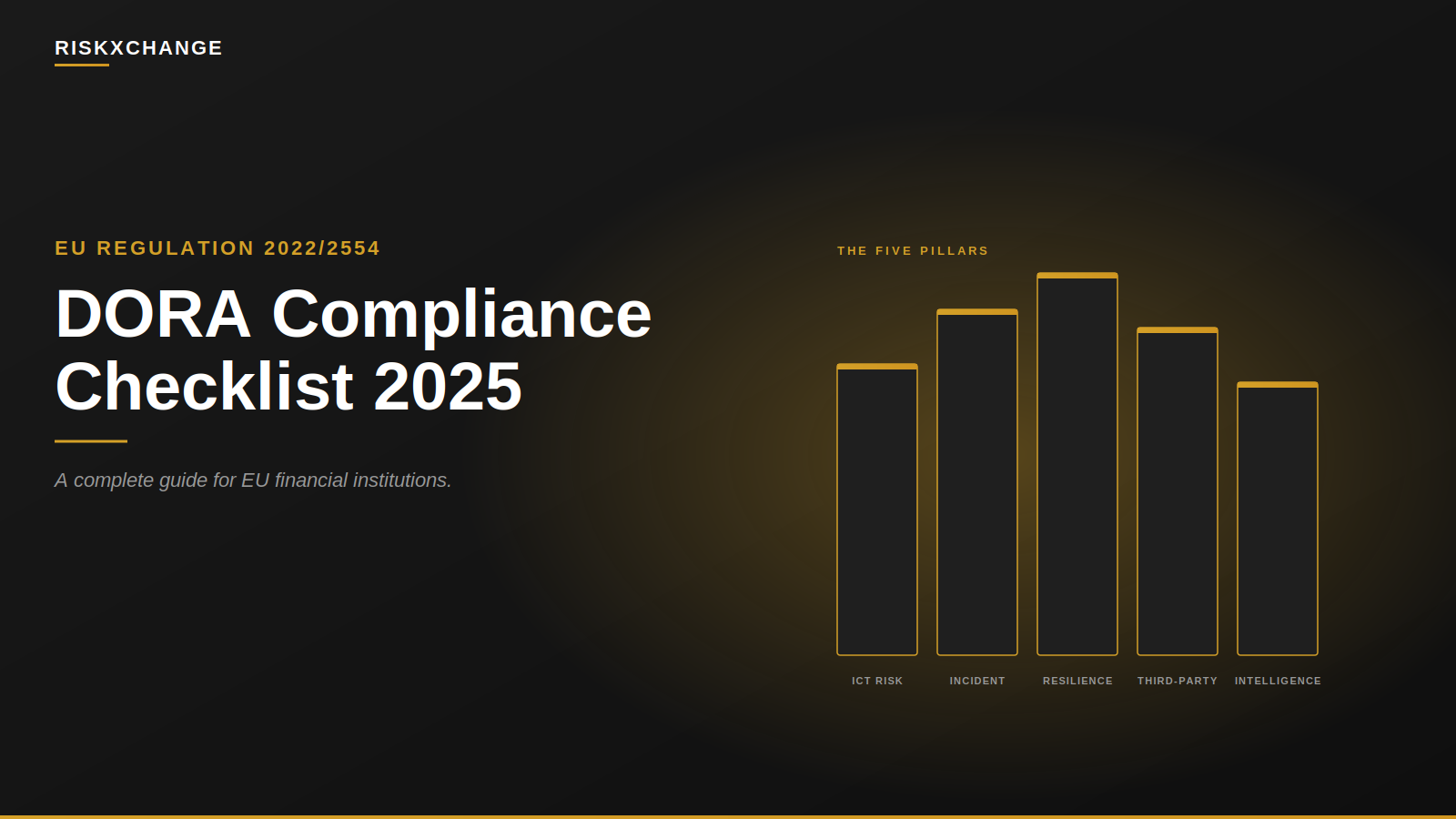 Compliance
DORA Compliance Checklist 2025: Complete Guide for EU Financial Institutions
Complete DORA compliance checklist for EU financial institutions. Essential guide covering ICT risk management, incident reporting, third-party oversight, and operational resilience testing. Ensure your organization meets the January 2025 deadline with actionable compliance strategies.
Read more Risk Management
Calculating ROI on TPRM Solutions: A Strategic Guide for 2026
Learn how to modernise your vendor risk assessment process in 2026 by moving beyond static questionnaires to continuous, AI-driven risk intelligence. Discover best practices for evaluating third-party security, validating vendor claims, and building a scalable assessment framework that strengthens supply chain resilience and supports regulatory compliance.
Read more Risk Management
How to Reduce Your Attack Surface: A Strategic Guide for 2026
Learn how to reduce your attack surface in 2026 using an outside-in strategy that uncovers hidden assets, eliminates blind spots, and strengthens resilience through continuous, data-driven monitoring.
Read more Cybersecurity
Ransomware Examples: Analyzing Modern Extortion and Supply Chain Vulnerabilities in 2026
Ransomware in 2026 has evolved into a multi-stage, supply chain-driven threat that exploits third-party vulnerabilities and uses AI-powered extortion tactics. By analysing modern ransomware examples, organisations can shift from reactive defence to proactive, continuous risk monitoring—gaining the outside-in visibility needed to quantify exposure, reduce attack surface risk, and strengthen overall cybersecurity resilience.
Read more Risk Management
Third-Party Attack Surface Discovery: Securing the Extended Enterprise
Third-party attack surface discovery gives enterprises real-time visibility into the hidden vulnerabilities across their vendor ecosystem. By moving beyond static questionnaires and leveraging AI-native continuous monitoring, organizations can identify shadow IT, map fourth-party dependencies, and establish quantifiable security ratings for every partner. This guide explains how discovery-led TPRM helps security teams reduce supply chain risk, improve remediation workflows, and meet evolving compliance demands such as DORA and NIS2 with confidence.
Read more Risk Management
Cybersecurity Threats Impacting the Pharmaceutical Industry
This article explores the top cybersecurity threats impacting the pharmaceutical industry, including ransomware, phishing, third-party vendor risks, IoT vulnerabilities, and employee negligence. As pharmaceutical companies increasingly rely on digital technologies and third-party providers, the need for robust cybersecurity strategies has never been more urgent. RiskXchange offers real-time visibility and risk ratings to help pharmaceutical businesses proactively manage cyber threats and protect sensitive data and intellectual property.
Read more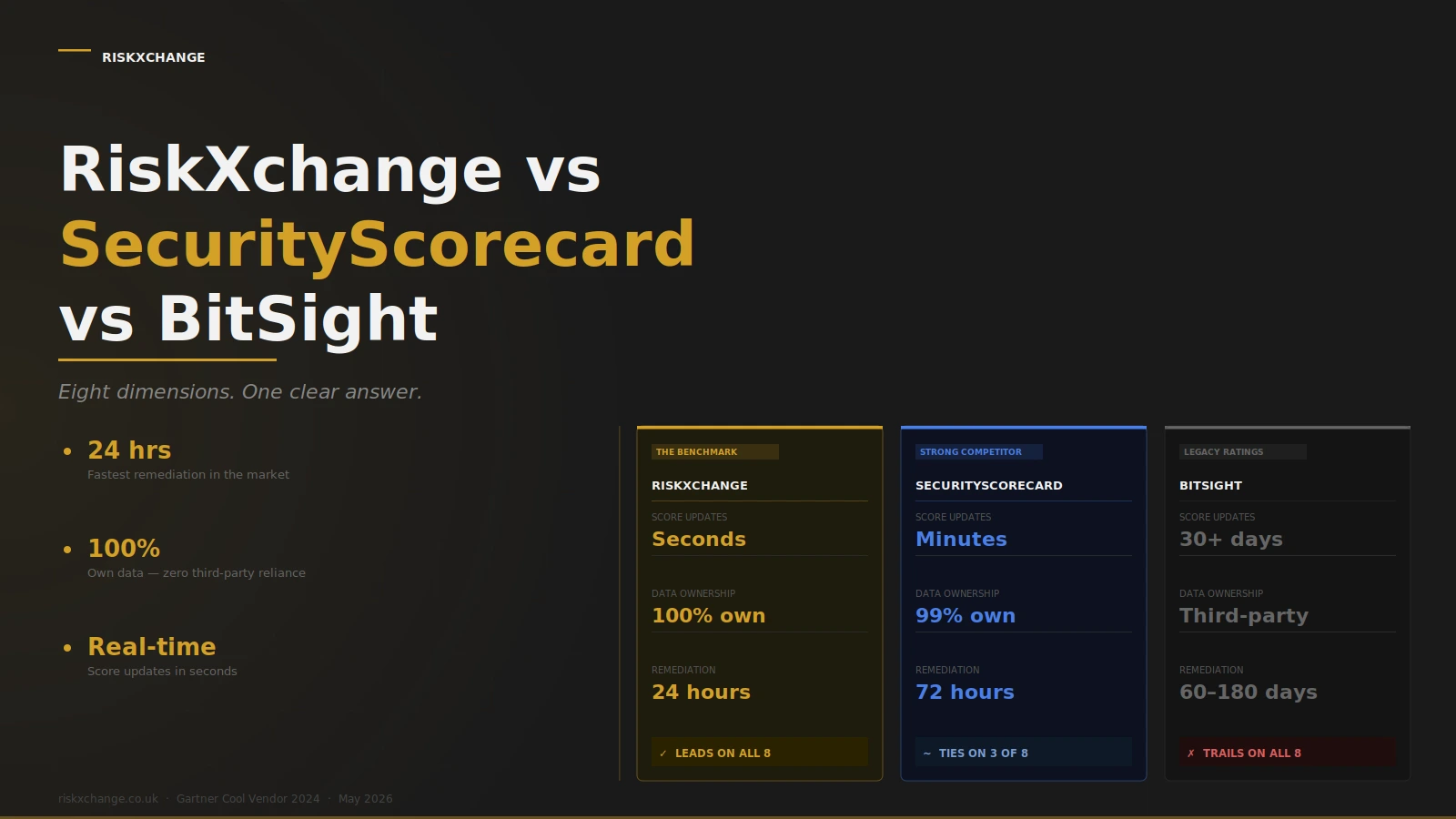 Risk Management
RiskXchange vs SecurityScorecard vs BitSight: Eight Dimensions That Actually Matter
RiskXchange, SecurityScorecard, and BitSight all claim to lead on data quality, AI, and speed. We measured all three across eight critical dimensions — from score freshness and remediation speed to data ownership and platform transparency. The results are clear: not all TPRM platforms are built the same.
Read more Risk Management
ESG Risk Management: A Strategic Framework for Supply Chain Resilience in 2026
ESG risk management in 2026 requires a shift from static reporting to continuous, AI-driven monitoring that provides real-time visibility across the entire supply chain. By integrating environmental, social, and governance metrics with cybersecurity ratings, organisations can eliminate blind spots, automate compliance, and transform ESG from a reporting obligation into a measurable driver of resilience and strategic advantage.
Read more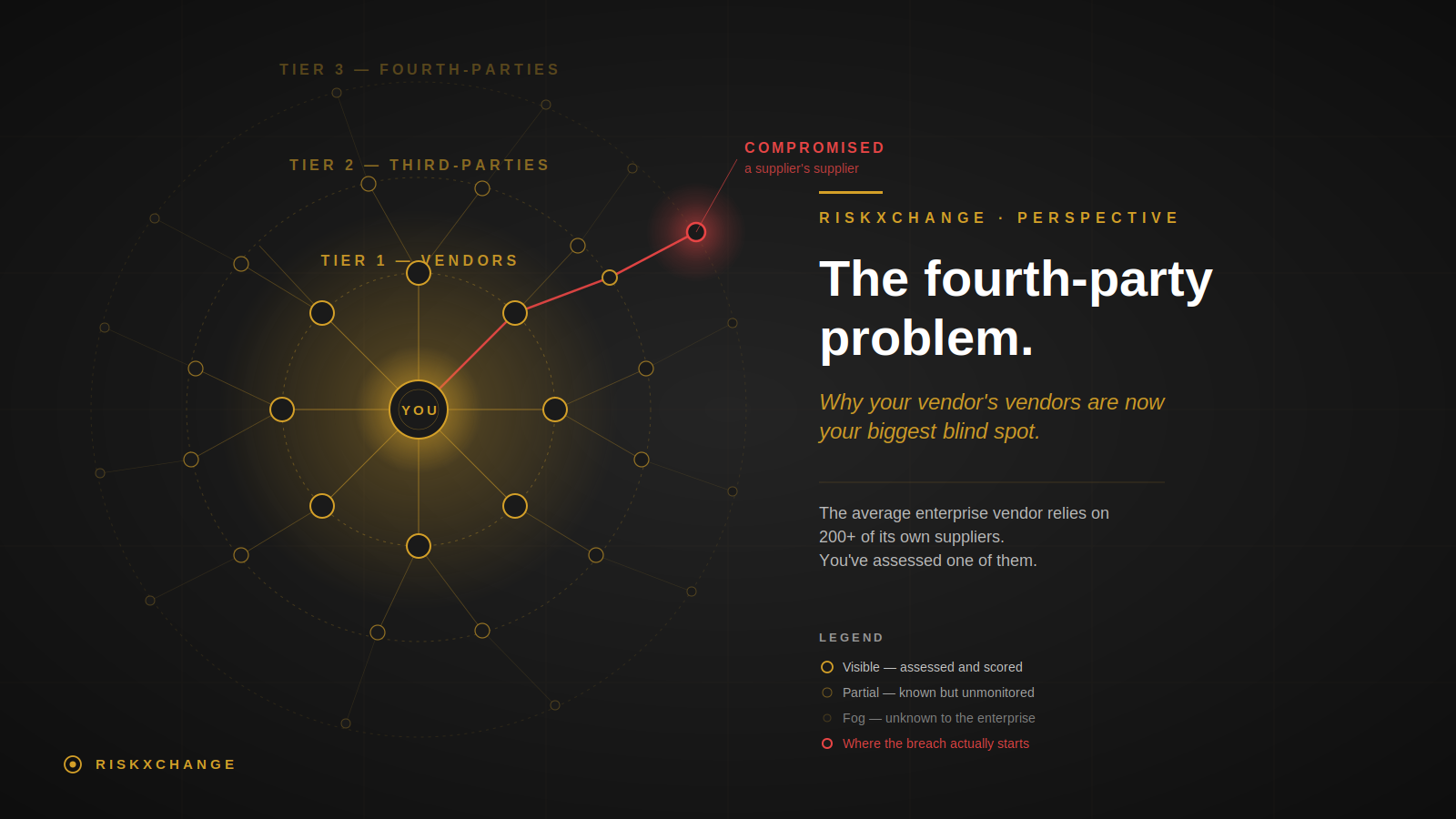 Risk Management
The Fourth-Party Problem: Why Your Vendor's Vendors Are Now Your Biggest Blind Spot
Most third-party risk programmes stop at tier one. The breach data says the attackers don't. Here's why fourth-party visibility is the defining TPRM challenge of 2026 — and what CISOs need to do about it.
Read more Risk Management
What Is a Cyber Attack Surface? The Definitive Guide to Modern Exposure Management
What is a cyber attack surface? It’s every visible entry point across your digital ecosystem, from cloud assets and shadow IT to third-party vendors and exposed APIs. This guide explains how modern exposure management works, why continuous monitoring matters, and how to reduce risk using AI-driven attack surface management and Cybersecurity Ratings.
Read more Risk Management
Strategies for effective third-party risk management
Effective third-party risk management is essential as organisations expand their vendor networks. Strategies like enforcing least privilege access, conducting thorough vendor risk assessments, and maintaining continuous attack surface monitoring can help prevent supply chain attacks. By adopting proactive, automated cybersecurity measures, businesses can protect their networks, enhance compliance, and secure long-term operational stability.
Read more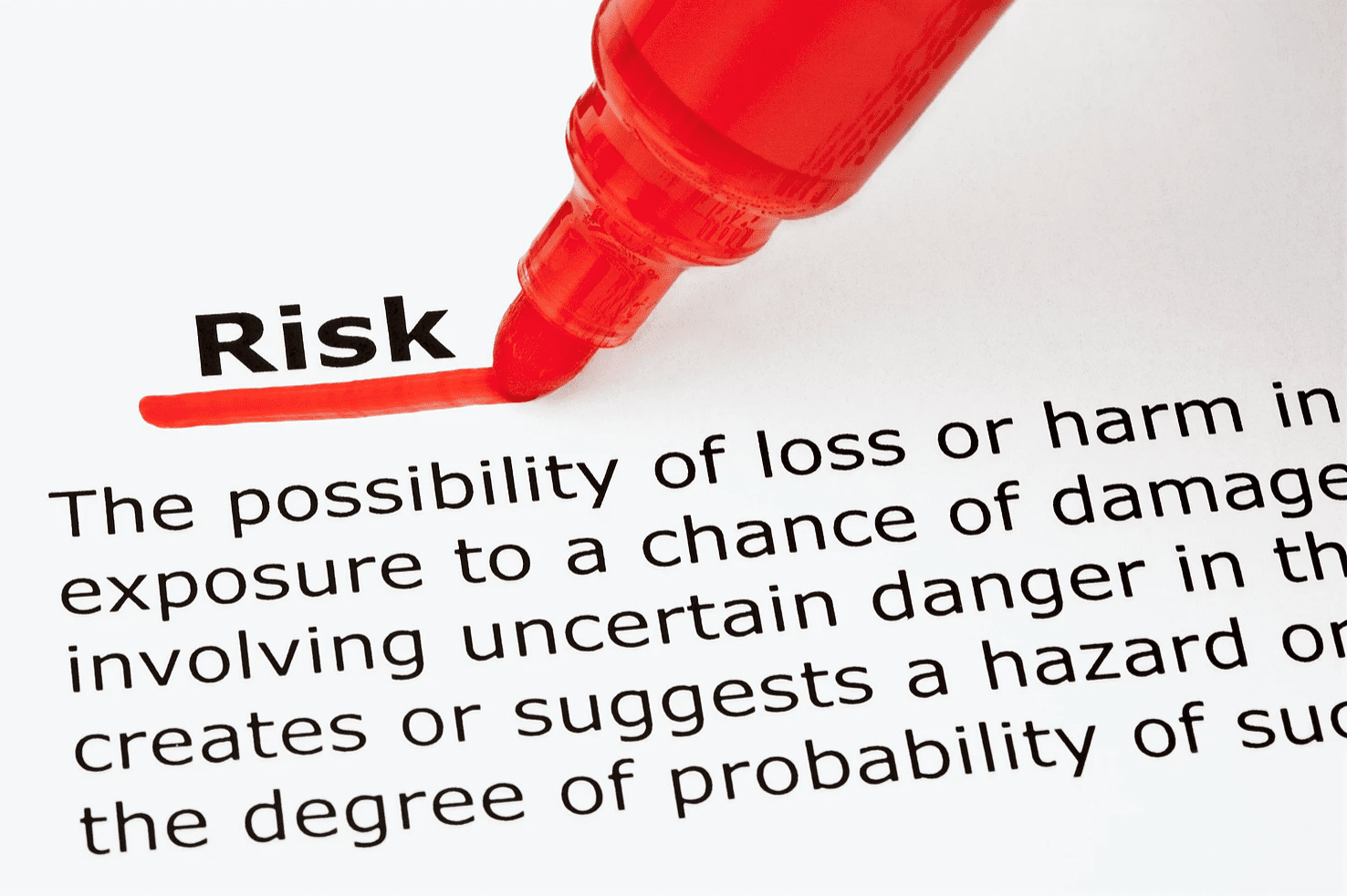 Risk Management
Security Assessments: What they are and why you need them
Security assessments are essential for identifying vulnerabilities, reducing long-term risk, and ensuring compliance. From vulnerability scans to penetration testing and security ratings, these assessments provide valuable insights that strengthen defences, improve communication, and support strategic decision-making. RiskXchange delivers real-time security ratings to monitor cyber risk, enhance third-party risk management, and improve overall security performance.
Read more Risk Management
Third-party vendor management best practices for your security posture
Read more Risk Management
Automated Vendor Risk Management: The 2026 Strategic Guide
Manual vendor oversight can no longer keep up with today’s fast-moving supply chain risks, especially as organisations manage hundreds of third parties with limited resources. This guide explains how automated vendor risk management replaces static questionnaires with continuous, AI-driven intelligence, giving security teams real-time visibility into vendor posture, faster remediation cycles, and measurable risk reduction. It explores how automation, security ratings, and integrated monitoring help organisations move from reactive assessment to proactive control across the entire vendor ecosystem.
Read more Risk Management
RiskXchange Implementation: A Strategic Blueprint for Continuous Resilience
A successful RiskXchange implementation replaces manual vendor assessments with continuous, AI-driven monitoring that delivers real-time visibility across your entire supply chain. By combining an outside-in perspective, automated workflows, and cybersecurity ratings, organisations can reduce blind spots, prioritise remediation, and transform risk management into a measurable driver of resilience and business outcomes.
Read more Risk Management
Board Reporting on Cybersecurity Risk: A Strategic Framework for 2026
Board reporting on cybersecurity risk has evolved from technical updates into a strategic governance requirement in 2026. This guide explores how CISOs and security leaders can translate complex threat data into business resilience metrics that align with board priorities, SEC disclosure mandates, and enterprise risk management goals. Learn how to leverage Cybersecurity Ratings, continuous third-party monitoring, and AI-driven reporting to provide directors with real-time visibility, quantify material risk, and strengthen organisational resilience across the entire supply chain.
Read more Risk Management
Vendor Risk Remediation Best Practices for 2026: A Strategic Guide
Discover the vendor risk remediation best practices every organisation needs in 2026. Learn how to prioritise critical risks, automate remediation workflows, strengthen vendor accountability, and reduce third-party cyber risk through continuous, AI-driven monitoring.
Read more Risk Management
How to protect personally identifiable information from a cyber breach
Personally identifiable information (PII) is a prime target for cybercriminals due to its high value on the dark web. To protect PII from cyber breaches, businesses must follow data compliance regulations like GDPR and HIPAA, rigorously vet third-party vendors, adopt encryption protocols, and implement automated vendor monitoring solutions. Proactive cybersecurity strategies not only strengthen data protection but also build stakeholder trust and ensure regulatory compliance.
Read more Risk Management
Choosing the Best Integrated Risk Management Solutions in 2026
Integrated risk management solutions are redefining how organisations approach cybersecurity, compliance, and third-party risk in 2026. By replacing siloed data and static assessments with AI-driven, real-time visibility, IRM platforms provide a unified, actionable view of your entire attack surface. This guide outlines how to evaluate, implement, and scale an IRM strategy that transforms risk from fragmented uncertainty into measurable, proactive control across your enterprise and supply chain.
Read more