Tagged Third Party Risk.
Every article we've tagged with "Third Party Risk".
From the team.
 Risk Management
Enterprise Third-Party Risk Management: The 2026 Strategic Framework
Enterprise third-party risk management has evolved beyond annual vendor assessments into a continuous, AI-driven discipline. Learn how to unify cybersecurity, ESG, compliance, and data privacy within a single framework, automate vendor monitoring, and use real-time security ratings to strengthen supply chain resilience, simplify regulatory compliance, and proactively manage third-party risk at scale.
Read more Cybersecurity
How Can You Prevent Viruses and Malicious Code? A Strategic Framework for 2026
Learn how to prevent viruses and malicious code in 2026 with a strategic, risk-based framework. Move beyond traditional antivirus by adopting an outside-in perspective, continuous monitoring, and a 5-pillar approach to secure your attack surface and reduce supply chain risk.
Read more Risk Management
Digital Footprint Analysis: The 'Outside-In' Guide for Enterprise Security in 2026
Digital footprint analysis in 2026 shifts security from internal guesswork to external clarity. By adopting an outside-in perspective, organisations can uncover hidden assets, eliminate shadow IT, and gain real-time visibility into their entire attack surface—including third-party risks. This guide outlines a practical framework to transform fragmented data into actionable intelligence, helping security teams move from reactive defence to continuous, data-driven resilience.
Read more Compliance
Data Breach Risk Assessment: A Strategic Guide to Quantifying Cyber Resilience in 2026
The window between zero-day discovery and active exploitation has shrunk to less than 12 hours. Manual audits can't keep pace. Learn how to shift from subjective checklists to continuous, data-driven risk assessment that quantifies vulnerability into actionable financial metrics.
Read more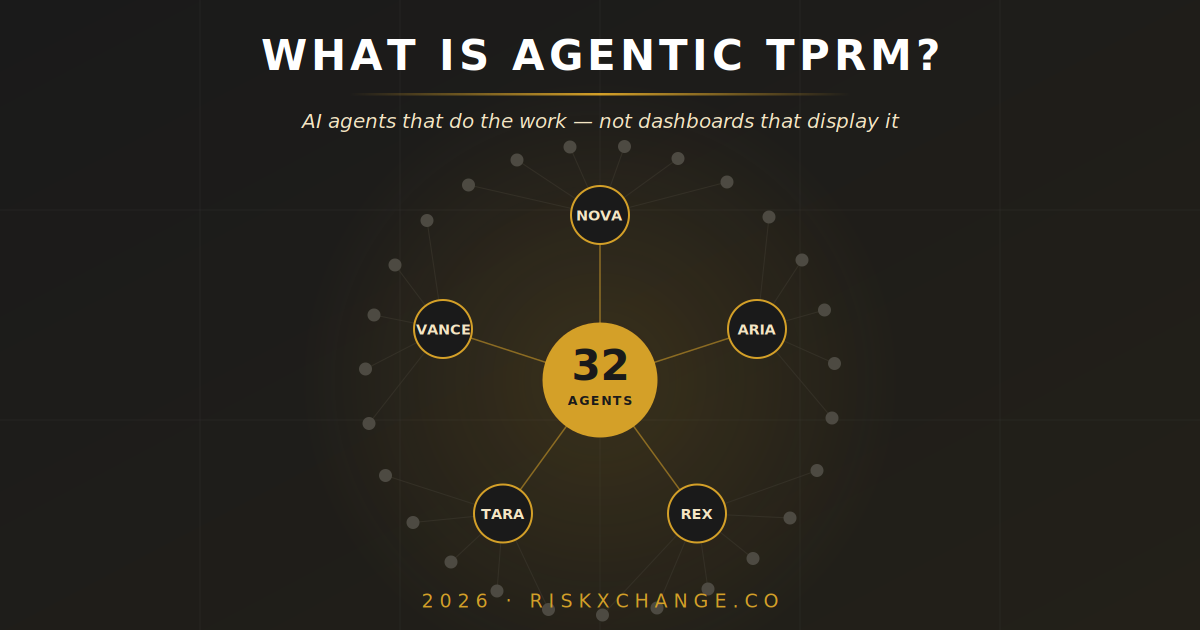 Agentic AI
What Is Agentic Third-Party Risk Management?
Agentic third-party risk management uses autonomous AI agents to run the TPRM lifecycle — assessment, monitoring, remediation and reporting — rather than software that helps humans do it. Here's what that means in practice, and how it differs from automation.
Read more Risk Management
Streamlining Third-Party Compliance Management: The 2026 Enterprise Guide
Streamlining third-party compliance management requires moving beyond static questionnaires and adopting continuous, AI-driven oversight across the vendor lifecycle. This guide explores how enterprises can reduce manual workload, automate evidence mapping across frameworks like DORA and GDPR, and use real-time security ratings to transform compliance into a measurable resilience strategy. Learn how AI-native TPRM platforms help organisations gain full supply chain visibility, improve remediation workflows, and maintain proactive control over evolving third-party risks.
Read more Risk Management
What Is a Security Rating Score? A Comprehensive Guide for 2026
Learn what a security rating score is and why it has become a critical benchmark for digital trust and resilience in 2026. Discover how AI-native platforms analyse external risk signals, quantify cybersecurity posture, and help organisations strengthen third-party risk management, improve board reporting, and maintain continuous visibility across their entire digital attack surface.
Read more Compliance
GDPR compliance checklist for 2022
A clear and practical GDPR compliance checklist for 2022 helps organisations align with EU data protection laws. Key areas include mapping data collection, appointing a Data Protection Officer, reporting breaches, updating privacy policies, and managing third-party risks. The guide also explains the roles of data controllers and processors. RiskXchange supports businesses with automated tools to streamline GDPR compliance and monitor supplier risks.
Read more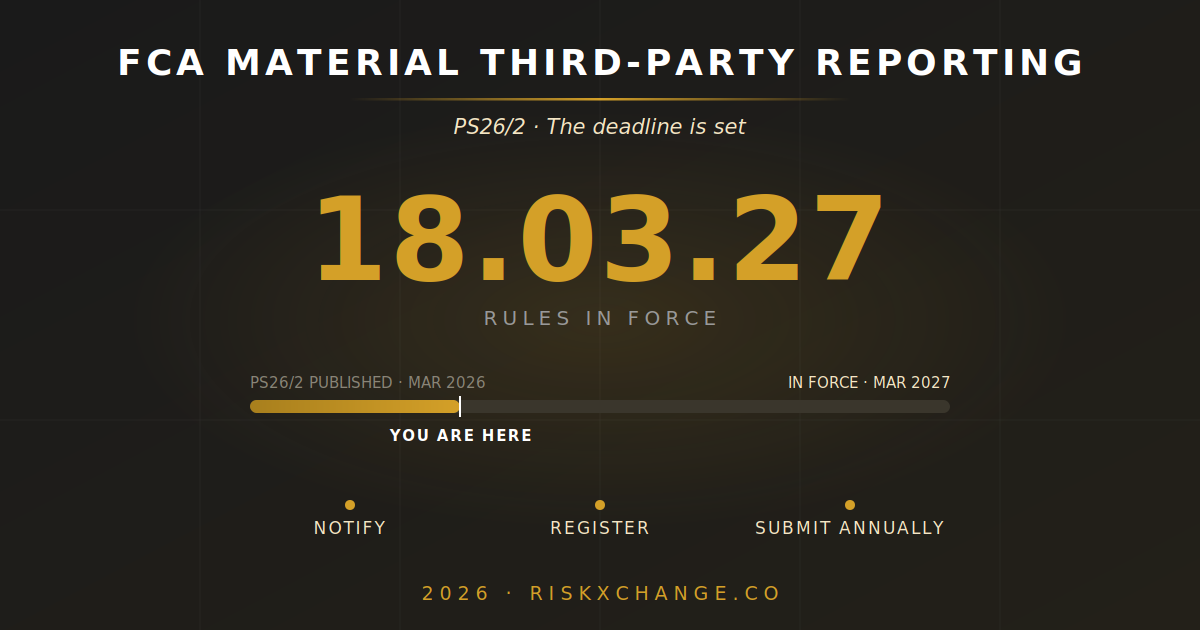 Risk Management
FCA Material Third-Party Reporting: Preparing for the March 2027 Deadline
The FCA's material third-party reporting rules under PS26/2 come into force on 18 March 2027. Here's who's in scope, what counts as "material", what the register demands, and a month-by-month preparation plan that starts now.
Read more Risk Management
The Comprehensive Vendor Risk Assessment Checklist for 2026
A modern vendor risk assessment checklist for 2026 goes beyond static questionnaires to deliver continuous, data-driven visibility into your third-party ecosystem. This guide outlines how to replace manual processes with real-time monitoring, tier vendors effectively, and use cybersecurity ratings to reduce supply chain risk and strengthen operational resilience.
Read more Risk Management
The Financial Impact of Supply Chain Attacks in 2026: A Strategic Analysis
The financial impact of supply chain attacks in 2026 extends far beyond immediate breach recovery costs. This strategic analysis explores how AI-driven threats, fourth-party vulnerabilities, and evolving regulations like DORA are reshaping enterprise risk. Learn how to quantify hidden financial exposure, reduce operational disruption, and strengthen resilience through continuous, AI-native third-party risk management.
Read more Risk Management
The Cascading Consequences of Poor Vendor Security: An Enterprise Guide for 2026
Poor vendor security can lead to costly data breaches, operational disruption, regulatory penalties, and lasting reputational damage. Discover the key consequences of third-party security failures in 2026 and learn how continuous monitoring, real-time risk intelligence, and AI-driven vendor risk management can help organisations strengthen supply chain resilience and maintain stakeholder trust.
Read more Risk Management
Predictive Risk Intelligence Platforms: The 2026 Guide to Proactive Security
Traditional third-party risk assessments can't keep pace with today's evolving cyber threats. Discover how predictive risk intelligence platforms use AI, machine learning, and continuous attack surface monitoring to forecast vendor risk, strengthen supply chain resilience, automate third-party risk management, and support compliance with frameworks like NIST CSF 2.0 and ISO 31000 in 2026.
Read more Risk Management
The Importance of Cybersecurity Due Diligence
Cybersecurity due diligence is essential for identifying and mitigating cyber risks from third- and fourth-party vendors, especially during mergers, acquisitions, and insurance assessments. It involves evaluating an organisation’s security posture, identifying vulnerabilities, and continuously monitoring risk through tools like security ratings. Platforms like RiskXchange offer streamlined, real-time solutions to manage and improve cyber risk performance.
Read more Cybersecurity
 Risk Rating Platform: Transforming Supply Chain Visibility in 2026
A cybersecurity risk rating platform gives organisations real-time, outside-in visibility into their supply chain, transforming fragmented vendor assessments into a continuous, data-driven strategy. By combining AI-native insights with automated monitoring, teams can move from reactive security efforts to proactive risk reduction and measurable resilience across their entire vendor ecosystem.
Read more Risk Management
How to Improve Supply Chain Cybersecurity Posture: A Strategic Framework for 2026
Improving supply chain cybersecurity posture in 2026 requires more than static audits and manual questionnaires. This guide explores a strategic AI-native framework built around continuous monitoring, real-time security ratings, and proactive vendor oversight. Learn how leading enterprises strengthen resilience, reduce third-party risk exposure, improve remediation speed, and transform cybersecurity posture into a measurable benchmark that supports insurance, compliance, and long-term business trust.
Read more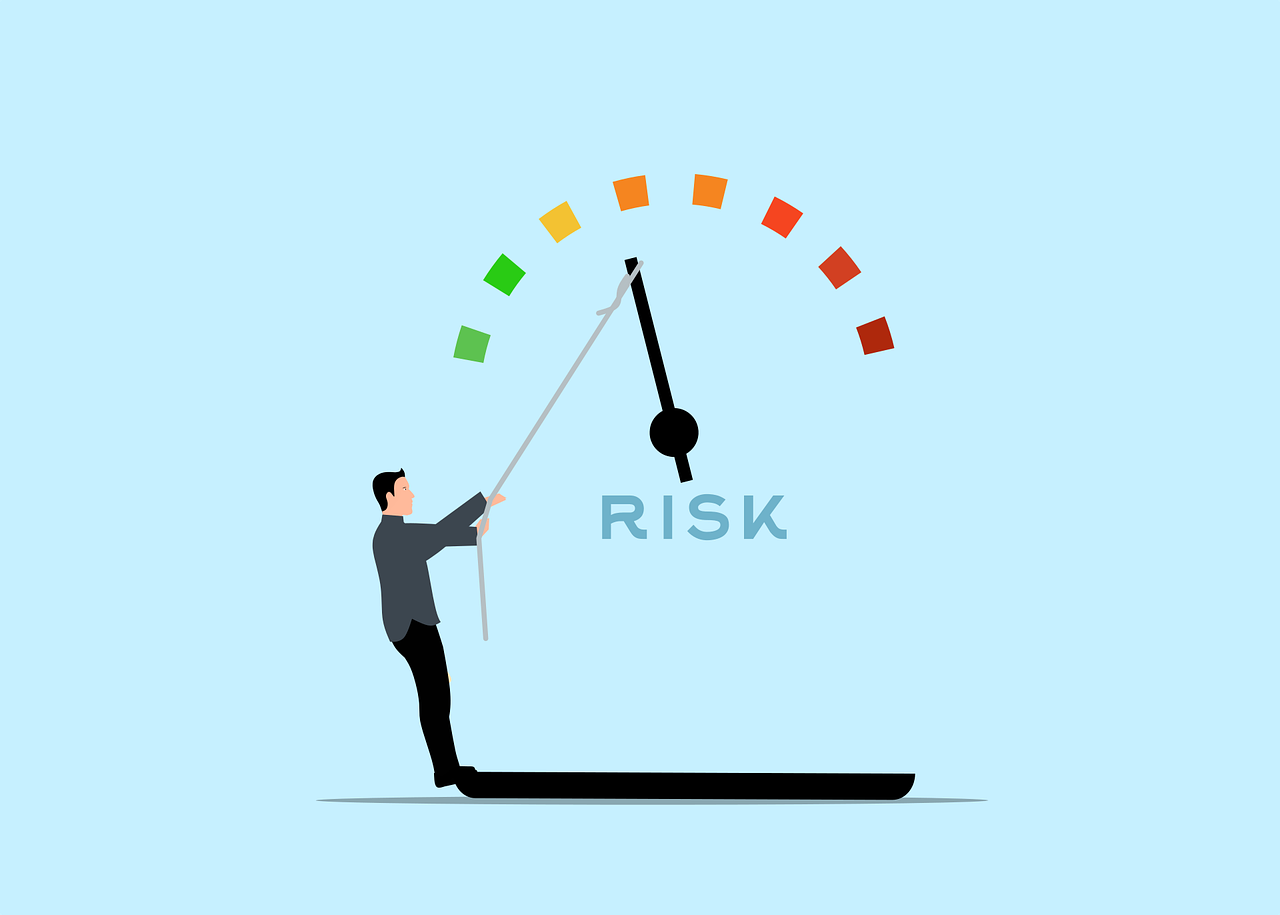 Risk Management
What is cyber security risk mitigation?
Cyber security risk mitigation involves proactive strategies to reduce the impact and likelihood of cyber threats. Key methods include continuous monitoring, access control, third-party risk management, network segmentation, and recovery planning. These practices help businesses safeguard IT infrastructure, prevent financial loss, ensure regulatory compliance, and protect their reputation. By adopting tools like multifactor authentication, antivirus software, and updated patch management, organisations can better prepare for and respond to cyberattacks.
Read more Risk Management
How to Automate Vendor Questionnaires: A Strategic Guide for 2026
Manual vendor questionnaires are slowing down risk management and creating dangerous visibility gaps across the supply chain. This guide explores how to automate vendor questionnaires using AI-driven workflows, real-time validation, and continuous monitoring to reduce onboarding delays, improve data accuracy, and strengthen third-party risk management. Learn how to move beyond spreadsheets and build a scalable, resilient vendor assessment programme for 2026 and beyond.
Read more Risk Management
The Definitive Guide to Third-Party Cyber Risk Assessment Questionnaires in 2026
A third-party cyber risk assessment questionnaire is no longer enough to manage modern supply chain risk. In 2026, organizations must move beyond static vendor assessments and embrace continuous, AI-driven risk intelligence. This guide explores how to build a scalable, defensible assessment process, validate vendor claims with real-world security data, and align third-party risk management with frameworks such as NIST CSF 2.0 and DORA.
Read more Risk Management
Mastering Vendor Risk Assessment Workflow Automation in 2026
Discover how vendor risk assessment workflow automation helps organisations replace manual assessments with AI-driven workflows, continuous monitoring, and real-time security ratings. Learn how to automate vendor onboarding, reduce questionnaire fatigue, strengthen compliance, and build a scalable third-party risk management programme in 2026.
Read more Compliance
Continuous Vendor Security Monitoring: Closing the 364-Day Blind Spot
Continuous vendor security monitoring eliminates the “364-day blind spot” created by outdated annual assessments, replacing static questionnaires with real-time, AI-driven visibility. In a landscape where most breaches originate from third parties, organisations must adopt an outside-in approach, using automated intelligence, cybersecurity ratings, and tiered monitoring to detect and remediate risks instantly. This guide shows how to transform vendor risk management into a proactive, data-driven system that strengthens resilience and meets modern regulatory demands like DORA.
Read more Risk Management
How to Get Executive Buy-in for TPRM Budget: A 2026 Strategic Guide
Securing executive approval for TPRM investment in 2026 requires more than discussing cyber threats—it demands translating vendor risk into measurable business impact. This guide shows how to get executive buy-in for TPRM budget by using Cybersecurity Ratings, real-time supply chain visibility, and AI-driven risk intelligence to align security initiatives with revenue growth, operational efficiency, and regulatory compliance. Learn how to build a compelling board-level business case that moves your organisation from reactive risk management to proactive resilience.
Read more Compliance
Supply Chain Cybersecurity Framework: The Definitive 2026 Guide for CISOs
A modern supply chain cybersecurity framework is no longer about periodic vendor audits—it’s about continuous, real-time visibility across your entire digital ecosystem. In 2026, rising threats and stricter mandates like NIS2 and CMMC 2.0 require CISOs to move beyond static compliance and adopt AI-driven monitoring, cybersecurity ratings, and an outside-in perspective. This guide outlines how to build a resilient, data-driven framework that secures not just your direct vendors, but every layer of your supply chain.
Read more Risk Management
Third-Party Risk Management Case Studies: Lessons from Successes and Failures in 2026
Third-party risk management case studies in 2026 reveal a clear divide between organizations relying on outdated assessments and those achieving real-time resilience through AI-native oversight. This guide explores major breach post-mortems, successful DORA compliance strategies, and the measurable ROI of continuous monitoring. Learn how leading enterprises reduce incident response times, strengthen Nth-party visibility, and transform vendor risk into a trackable, data-driven benchmark for proactive supply chain security.
Read more