Category: Cybersecurity.
Every article we've published under "Cybersecurity".
From the team.
 Cybersecurity
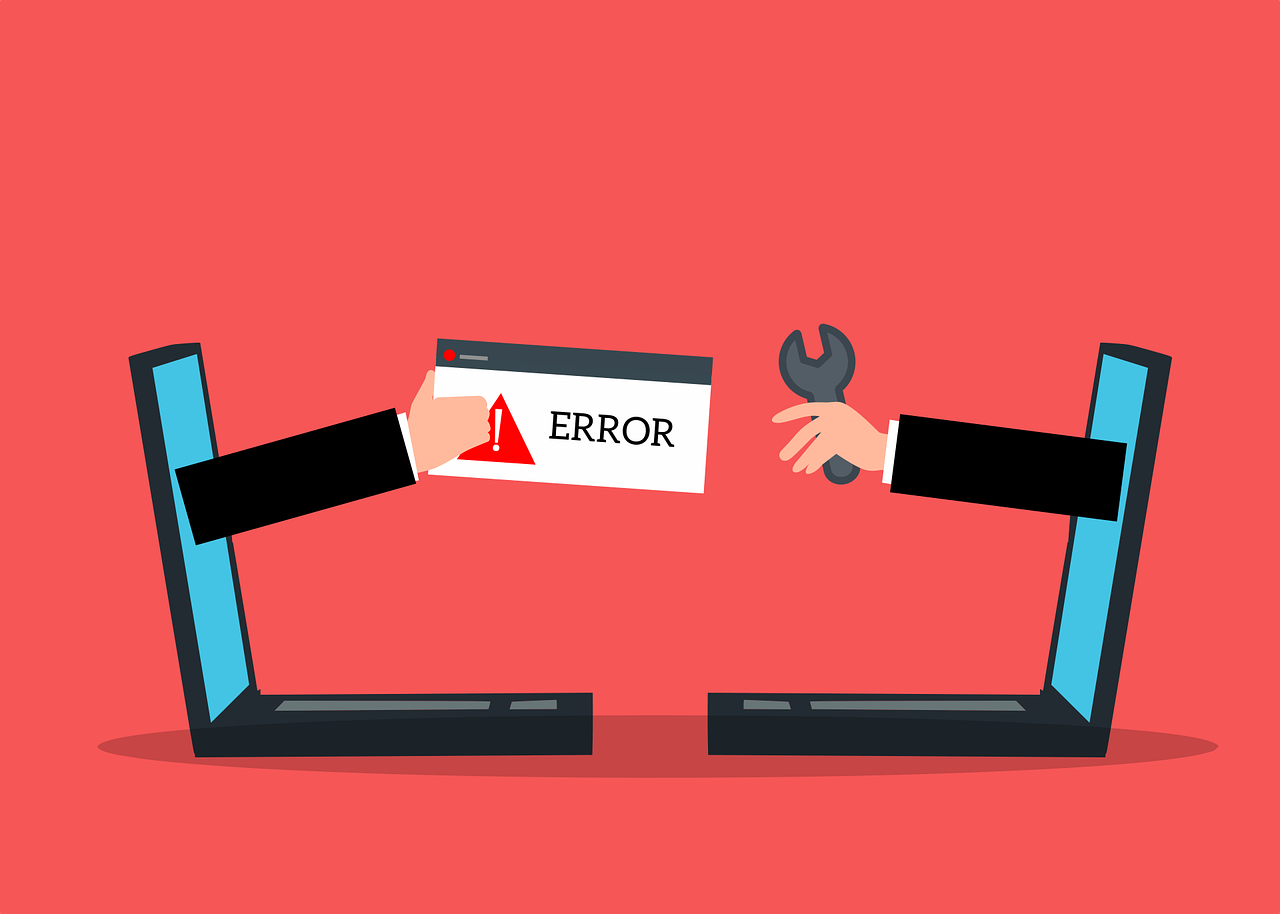
What is an Intrusion Detection System (IDS)?
An Intrusion Detection System (IDS) is a tool that monitors network traffic to detect malicious activity or policy violations. It can alert administrators about potential security threats, but it does not actively block intrusions. IDS types include Network IDS (NIDS), Host IDS (HIDS), and Protocol-based IDS, each serving different network security needs. An Intrusion Prevention System (IPS) goes a step further by taking action to block intrusions. IDS helps in detecting malicious activity, improving network performance, meeting compliance requirements, and offering valuable insights into network security. Proper maintenance of IDS components is crucial to its effectiveness.
Read more Risk Management
The Definitive Guide to Computer Security Certifications in 2026
In 2026, computer security certifications have evolved from simple credentials into strategic assets that validate real-world risk management capabilities. This guide breaks down the most valuable certifications, from foundational to expert level and shows how to align them with career growth, organisational resilience, and measurable cybersecurity outcomes. Learn how to choose the right path, maximise ROI on your certifications, and combine certified expertise with continuous risk monitoring to stay ahead in an AI-driven threat landscape.
Read more Risk Management
The Financial Impact of Supply Chain Attacks in 2026: A Strategic Analysis
The financial impact of supply chain attacks in 2026 extends far beyond immediate breach recovery costs. This strategic analysis explores how AI-driven threats, fourth-party vulnerabilities, and evolving regulations like DORA are reshaping enterprise risk. Learn how to quantify hidden financial exposure, reduce operational disruption, and strengthen resilience through continuous, AI-native third-party risk management.
Read more Risk Management
What is a COBIT framework?
COBIT (Control Objectives for Information and Related Technology) is a globally recognized framework for the governance and management of enterprise IT. Developed by ISACA, it helps organizations align business risks with technical issues and control requirements. COBIT provides a structured model for ensuring the quality, control, and reliability of information systems. The framework is process-based, focusing on domains like planning, organization, delivery, and evaluation. COBIT includes principles to guide the development of governance systems tailored to an enterprise's needs. COBIT 2019 introduces updates such as new governing principles, expanded governance objectives, and integration with other standards. RiskXchange can help organizations implement cybersecurity frameworks like COBIT to improve risk management and cybersecurity posture.
Read more Risk Management
The Cascading Consequences of Poor Vendor Security: An Enterprise Guide for 2026
Poor vendor security can lead to costly data breaches, operational disruption, regulatory penalties, and lasting reputational damage. Discover the key consequences of third-party security failures in 2026 and learn how continuous monitoring, real-time risk intelligence, and AI-driven vendor risk management can help organisations strengthen supply chain resilience and maintain stakeholder trust.
Read more Risk Management
The Importance of Cybersecurity Due Diligence
Cybersecurity due diligence is essential for identifying and mitigating cyber risks from third- and fourth-party vendors, especially during mergers, acquisitions, and insurance assessments. It involves evaluating an organisation’s security posture, identifying vulnerabilities, and continuously monitoring risk through tools like security ratings. Platforms like RiskXchange offer streamlined, real-time solutions to manage and improve cyber risk performance.
Read more Cybersecurity
 Risk Rating Platform: Transforming Supply Chain Visibility in 2026
A cybersecurity risk rating platform gives organisations real-time, outside-in visibility into their supply chain, transforming fragmented vendor assessments into a continuous, data-driven strategy. By combining AI-native insights with automated monitoring, teams can move from reactive security efforts to proactive risk reduction and measurable resilience across their entire vendor ecosystem.
Read more Cybersecurity
How to choose a cybersecurity framework that works for you
Choosing the right cybersecurity framework helps organisations establish strong security standards and processes to monitor and mitigate risk. Common frameworks include NIST, ISO 27001/27002, SOC2, NERC-CIP, HIPAA, GDPR, and FISMA—each tailored to specific industries and compliance needs. RiskXchange supports organisations by offering guidance, certifications, and real-time monitoring tools to effectively manage cybersecurity posture across ecosystems.
Read more Risk Management
How to Improve Supply Chain Cybersecurity Posture: A Strategic Framework for 2026
Improving supply chain cybersecurity posture in 2026 requires more than static audits and manual questionnaires. This guide explores a strategic AI-native framework built around continuous monitoring, real-time security ratings, and proactive vendor oversight. Learn how leading enterprises strengthen resilience, reduce third-party risk exposure, improve remediation speed, and transform cybersecurity posture into a measurable benchmark that supports insurance, compliance, and long-term business trust.
Read more Risk Management
What is cyber security risk mitigation?
Cyber security risk mitigation involves proactive strategies to reduce the impact and likelihood of cyber threats. Key methods include continuous monitoring, access control, third-party risk management, network segmentation, and recovery planning. These practices help businesses safeguard IT infrastructure, prevent financial loss, ensure regulatory compliance, and protect their reputation. By adopting tools like multifactor authentication, antivirus software, and updated patch management, organisations can better prepare for and respond to cyberattacks.
Read more Cybersecurity
Malware Viruses: How to Detect a Virus?
Malware viruses remain one of the most common cyber threats, impacting both individuals and organisations. Recognising symptoms such as slow performance, pop-ups, unusual emails, and system changes can help detect infections early. Preventative steps like using up-to-date antivirus software, securing networks, and avoiding suspicious downloads are key. In severe cases, system restoration or even full OS reinstallation may be necessary. RiskXchange offers tools to assess malware exposure and improve overall cybersecurity resilience.
Read more Risk Management
How to Automate Vendor Questionnaires: A Strategic Guide for 2026
Manual vendor questionnaires are slowing down risk management and creating dangerous visibility gaps across the supply chain. This guide explores how to automate vendor questionnaires using AI-driven workflows, real-time validation, and continuous monitoring to reduce onboarding delays, improve data accuracy, and strengthen third-party risk management. Learn how to move beyond spreadsheets and build a scalable, resilient vendor assessment programme for 2026 and beyond.
Read more Risk Management
The Definitive Guide to Third-Party Cyber Risk Assessment Questionnaires in 2026
A third-party cyber risk assessment questionnaire is no longer enough to manage modern supply chain risk. In 2026, organizations must move beyond static vendor assessments and embrace continuous, AI-driven risk intelligence. This guide explores how to build a scalable, defensible assessment process, validate vendor claims with real-world security data, and align third-party risk management with frameworks such as NIST CSF 2.0 and DORA.
Read more Cybersecurity
How to prevent an enumeration attack
Enumeration attacks are a growing threat in the cybersecurity landscape, especially as businesses increasingly rely on cloud-based applications. These attacks exploit weak login systems by brute-forcing usernames and passwords, often aided by system messages or response time discrepancies. To prevent enumeration attacks, businesses should implement layered defenses such as limiting login attempts, using CAPTCHAs and MFA, deploying web application firewalls (WAFs), masking API responses, and conducting employee cyber awareness training. Strengthening both internal and vendor cybersecurity practices is vital to maintaining business integrity and resilience.
Read more Risk Management
Mastering Vendor Risk Assessment Workflow Automation in 2026
Discover how vendor risk assessment workflow automation helps organisations replace manual assessments with AI-driven workflows, continuous monitoring, and real-time security ratings. Learn how to automate vendor onboarding, reduce questionnaire fatigue, strengthen compliance, and build a scalable third-party risk management programme in 2026.
Read more Cybersecurity
Types of cybercrime and how to protect yourself from each
Cybercrime is rapidly rising, posing major risks to individuals and organisations. This article explores common types of cybercrime—such as DDoS attacks, identity theft, malware, ransomware, phishing, and piracy—and outlines effective strategies for protection. It highlights key practices including using up-to-date security software, strong password hygiene, and employee education to mitigate these digital threats.
Read more Cybersecurity
What You Need to Know About Cybersecurity Law
Cybersecurity law regulates the protection of digital information from cyber threats like data breaches, cybercrime, and espionage. It includes directives on data privacy, breach notification, and compliance management, which help organisations safeguard their systems and information. These laws are essential in guiding businesses to manage risks, protect sensitive data, and comply with legal standards. Non-compliance can result in fines, reputational damage, and legal consequences. To mitigate these risks, organisations should implement best practices like regular audits, data encryption, employee training, and monitoring third-party vendors. RiskXchange offers a comprehensive platform that continuously monitors your organisation's cybersecurity posture, helping to prevent breaches and ensure compliance with relevant laws.
Read more Cybersecurity
Phishing emails & ways to prevent spear phishing
Spear phishing is a highly targeted form of phishing where attackers impersonate trusted contacts to steal confidential data or funds. Unlike broad phishing scams, spear phishing involves in-depth research and personalized tactics, making it harder to detect. These attacks are rising in frequency and sophistication, causing significant financial damage. Key protections include employee training, email scanning, relationship monitoring, malicious URL detection, multi-factor authentication (MFA), and sandboxed attachment analysis. RiskXchange offers advanced solutions to defend against spear phishing and boost cybersecurity resilience.
Read more Compliance
Continuous Vendor Security Monitoring: Closing the 364-Day Blind Spot
Continuous vendor security monitoring eliminates the “364-day blind spot” created by outdated annual assessments, replacing static questionnaires with real-time, AI-driven visibility. In a landscape where most breaches originate from third parties, organisations must adopt an outside-in approach, using automated intelligence, cybersecurity ratings, and tiered monitoring to detect and remediate risks instantly. This guide shows how to transform vendor risk management into a proactive, data-driven system that strengthens resilience and meets modern regulatory demands like DORA.
Read more Risk Management
How to Get Executive Buy-in for TPRM Budget: A 2026 Strategic Guide
Securing executive approval for TPRM investment in 2026 requires more than discussing cyber threats—it demands translating vendor risk into measurable business impact. This guide shows how to get executive buy-in for TPRM budget by using Cybersecurity Ratings, real-time supply chain visibility, and AI-driven risk intelligence to align security initiatives with revenue growth, operational efficiency, and regulatory compliance. Learn how to build a compelling board-level business case that moves your organisation from reactive risk management to proactive resilience.
Read more Compliance
Supply Chain Cybersecurity Framework: The Definitive 2026 Guide for CISOs
A modern supply chain cybersecurity framework is no longer about periodic vendor audits—it’s about continuous, real-time visibility across your entire digital ecosystem. In 2026, rising threats and stricter mandates like NIS2 and CMMC 2.0 require CISOs to move beyond static compliance and adopt AI-driven monitoring, cybersecurity ratings, and an outside-in perspective. This guide outlines how to build a resilient, data-driven framework that secures not just your direct vendors, but every layer of your supply chain.
Read more Cybersecurity
7 Benefits of Dynamic Malware Analysis
Dynamic malware analysis is a critical cybersecurity approach that involves observing malware behavior in a secure sandbox environment. This method helps detect unknown threats, enhances threat intelligence, speeds up incident response, tests security defenses, and supports malware mitigation strategies. RiskXchange highlights the key advantages and offers advanced tools to help organisations stay secure.
Read more Risk Management
TPRM for Healthcare Organizations: A Strategic Guide to Patient Data Safety
Most healthcare breaches now originate through third-party vendors, yet many organizations still rely on outdated annual assessments that leave critical blind spots across telehealth platforms, cloud providers, and connected medical devices. This strategic guide explores how healthcare providers can modernize TPRM through continuous AI-driven monitoring, real-time Cybersecurity Ratings, and automated HIPAA compliance workflows. Learn how to reduce vendor-related risk, strengthen patient data protection, and build a scalable framework for resilient healthcare supply chain security in 2026.
Read more Risk Management
TPRM Program Implementation Guide: A Strategic Blueprint for 2026
Build a scalable third-party risk management programme with this 2026 TPRM implementation guide. Learn how to establish governance, tier vendors, automate assessments, integrate continuous monitoring, and leverage AI-driven risk intelligence to strengthen compliance, improve visibility, and protect your supply chain.
Read more