Tagged Data Protection.
Every article we've tagged with "Data Protection".
From the team.
 Risk Management
What is cyber security risk mitigation?
Cyber security risk mitigation involves proactive strategies to reduce the impact and likelihood of cyber threats. Key methods include continuous monitoring, access control, third-party risk management, network segmentation, and recovery planning. These practices help businesses safeguard IT infrastructure, prevent financial loss, ensure regulatory compliance, and protect their reputation. By adopting tools like multifactor authentication, antivirus software, and updated patch management, organisations can better prepare for and respond to cyberattacks.
Read more Cybersecurity
Malware Viruses: How to Detect a Virus?
Malware viruses remain one of the most common cyber threats, impacting both individuals and organisations. Recognising symptoms such as slow performance, pop-ups, unusual emails, and system changes can help detect infections early. Preventative steps like using up-to-date antivirus software, securing networks, and avoiding suspicious downloads are key. In severe cases, system restoration or even full OS reinstallation may be necessary. RiskXchange offers tools to assess malware exposure and improve overall cybersecurity resilience.
Read more Cybersecurity
How to prevent an enumeration attack
Enumeration attacks are a growing threat in the cybersecurity landscape, especially as businesses increasingly rely on cloud-based applications. These attacks exploit weak login systems by brute-forcing usernames and passwords, often aided by system messages or response time discrepancies. To prevent enumeration attacks, businesses should implement layered defenses such as limiting login attempts, using CAPTCHAs and MFA, deploying web application firewalls (WAFs), masking API responses, and conducting employee cyber awareness training. Strengthening both internal and vendor cybersecurity practices is vital to maintaining business integrity and resilience.
Read more Risk Management
The Link between Compliance and Risk Management in Cybersecurity
Compliance and risk management are two interconnected pillars of cybersecurity. While compliance ensures regulatory requirements are met, risk management addresses potential threats proactively. Aligning both functions creates a stronger, more resilient security framework. RiskXchange enables this alignment through real-time monitoring, automated assessments, and third-party risk management tools.
Read more Cybersecurity
Types of cybercrime and how to protect yourself from each
Cybercrime is rapidly rising, posing major risks to individuals and organisations. This article explores common types of cybercrime—such as DDoS attacks, identity theft, malware, ransomware, phishing, and piracy—and outlines effective strategies for protection. It highlights key practices including using up-to-date security software, strong password hygiene, and employee education to mitigate these digital threats.
Read more Cybersecurity
What You Need to Know About Cybersecurity Law
Cybersecurity law regulates the protection of digital information from cyber threats like data breaches, cybercrime, and espionage. It includes directives on data privacy, breach notification, and compliance management, which help organisations safeguard their systems and information. These laws are essential in guiding businesses to manage risks, protect sensitive data, and comply with legal standards. Non-compliance can result in fines, reputational damage, and legal consequences. To mitigate these risks, organisations should implement best practices like regular audits, data encryption, employee training, and monitoring third-party vendors. RiskXchange offers a comprehensive platform that continuously monitors your organisation's cybersecurity posture, helping to prevent breaches and ensure compliance with relevant laws.
Read more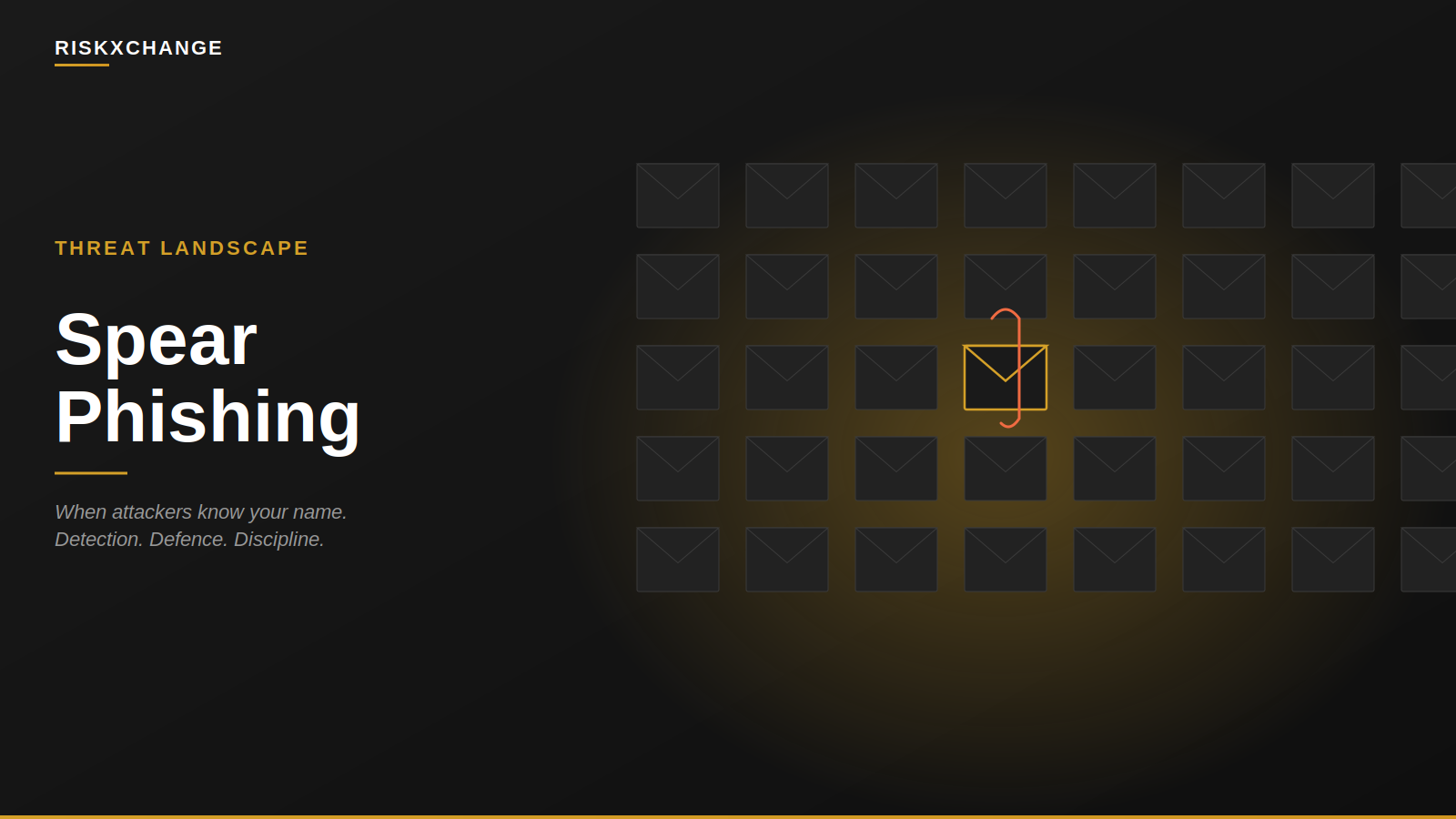 Cybersecurity
Phishing emails & ways to prevent spear phishing
Spear phishing is a highly targeted form of phishing where attackers impersonate trusted contacts to steal confidential data or funds. Unlike broad phishing scams, spear phishing involves in-depth research and personalized tactics, making it harder to detect. These attacks are rising in frequency and sophistication, causing significant financial damage. Key protections include employee training, email scanning, relationship monitoring, malicious URL detection, multi-factor authentication (MFA), and sandboxed attachment analysis. RiskXchange offers advanced solutions to defend against spear phishing and boost cybersecurity resilience.
Read more Cybersecurity
7 Benefits of Dynamic Malware Analysis
Dynamic malware analysis is a critical cybersecurity approach that involves observing malware behavior in a secure sandbox environment. This method helps detect unknown threats, enhances threat intelligence, speeds up incident response, tests security defenses, and supports malware mitigation strategies. RiskXchange highlights the key advantages and offers advanced tools to help organisations stay secure.
Read more Compliance
What is the NIST framework?
The NIST Cybersecurity Framework, developed by the U.S. National Institute of Standards and Technology, provides a flexible, risk-based approach to managing cybersecurity threats. It outlines five core functions—Identify, Protect, Detect, Respond, and Recover—designed to enhance critical infrastructure protection. The framework supports organisations of all sizes in evaluating current cybersecurity posture, setting goals, and aligning security strategies with business objectives. RiskXchange helps businesses adopt and tailor the NIST framework for optimal protection across their enterprise and vendor ecosystems.
Read more Cybersecurity
How to protect yourself from a cyber threat
This guide outlines the various sources and types of cyber threats—including nation-states, terrorists, hackers, and insider threats—and explains how businesses can identify vulnerabilities and protect against attacks. It emphasizes the importance of managing your attack surface and leveraging cybersecurity solutions like RiskXchange to prevent breaches and ensure resilience.
Read more Cybersecurity
What is IoT cybersecurity?
This guide explores the importance of IoT cybersecurity in an increasingly connected world. It explains what IoT is, why securing IoT devices is essential, and the common vulnerabilities and threats organizations face—from botnets and ransomware to shadow IoT and weak passwords. Real-world attack examples and key statistics underscore the urgency of adopting robust cybersecurity measures. The article also highlights best practices and RiskXchange's IoT cybersecurity services for protecting enterprise networks.
Read more Cybersecurity
Top 3 Ransomware Examples and what can we learn from them
Explore the top three ransomware attacks — Kaseya, Colonial Pipeline, and CNA Financial — and uncover vital cybersecurity lessons. Learn how ransomware spreads, the role of ransomware-as-a-service, and how businesses can improve supply chain security, enforce multi-factor authentication, and adopt zero-trust principles. RiskXchange offers real-time visibility and passive data monitoring to help organisations stay ahead of cyber threats.
Read more Cybersecurity
What Executives Get Wrong About Cyber Security Risk & Risk Management
Many executives mistakenly view cybersecurity solely as a technology problem rather than a critical business risk. This misconception leads to poor prioritization and increased vulnerabilities. Effective cybersecurity requires business-aligned strategies, strong leadership engagement, and a security-first culture. RiskXchange helps businesses gain full visibility over their attack surfaces, providing real-time risk ratings and actionable insights to improve cybersecurity posture and protect assets across digital ecosystems.
Read more Cybersecurity
 Statistics You Should Know In 2023
This detailed overview highlights alarming cybersecurity statistics across industries, including education, healthcare, and finance. It covers data breaches, malware and ransomware attacks, impersonation, and cryptojacking trends. The report reveals rising threats, staggering costs, and the growing complexity of cyberattacks, urging organisations to reassess and reinforce their cybersecurity strategies with trusted partners like RiskXchange.
Read more Cybersecurity
What is an IT security gap?
This guide explains what an IT security gap is and why identifying and addressing these gaps is critical for protecting a company's digital assets. It outlines the process of conducting an information security gap analysis and highlights eight of the most common security gaps businesses face, such as poor patch management, IoT vulnerabilities, employee risk, and lack of threat intelligence. The article concludes with how RiskXchange can support organisations in identifying and closing their security gaps.
Read more Cybersecurity
Cyber security certifications – which one to choose?
Choosing the right cybersecurity certification depends on your career goals and experience level. Entry-level certifications like CompTIA Security+ or GIAC GSEC are ideal for beginners, while professionals may pursue advanced certifications such as CISSP, CEH, or CISM. Certification programs are offered by top organisations including (ISC)², EC-Council, CompTIA, GIAC, and ISACA—each providing specialised paths in areas like penetration testing, cloud security, incident response, and security management. Understanding the differences between academic and professional certifications is key to selecting the best fit for your career.
Read more Cybersecurity
How to find the right cybersecurity tools for your organisation
Choosing the right cybersecurity tools is critical for protecting organisations against growing cyber threats. Tools should be scalable, integrate easily, be purpose-built, well-supported, and widely compatible. Essential cybersecurity measures include access control, anti-malware, anomaly detection, DLP, firewalls, and SIEM systems. RiskXchange’s integrated risk management platform helps organisations build a holistic, proactive security posture by embedding risk management into everyday processes and decision-making.
Read more Cybersecurity
Data leakage prevention – 3 simple steps
Data leakage happens when sensitive information is accidentally or intentionally exposed, putting organisations at risk of cyberattacks. While data leaks often stem from poor security practices, they differ from breaches where attackers actively steal data. Common causes include social engineering, doxxing, surveillance, and disruption tactics. To prevent data leakage, organisations must validate cloud storage configurations, automate process controls, and monitor third-party risks. RiskXchange offers advanced solutions to protect against data leaks with real-time ecosystem monitoring and actionable insights.
Read more Cybersecurity
How to Measure Your Company’s Cybersecurity Effectiveness?
Measuring cybersecurity effectiveness is crucial for companies to ensure their strategies are working and adapt to evolving threats. Key steps include conducting risk assessments, developing mitigation strategies, selecting appropriate cybersecurity metrics, and implementing continuous monitoring. Important metrics include response time, patching cadence, vendor risk exposure, and cybersecurity awareness training completion. Addressing gaps can involve improving employee training, enhancing access controls, and reducing supply chain risks. RiskXchange helps identify cybersecurity gaps, manage third-party risks, and improve overall security posture.
Read more Cybersecurity
Understanding Passive vs. Active Cyber Attacks and their Impact
Active and passive cyber attacks differ in their approach and impact. Active attacks involve direct infiltration to steal or modify data, using tactics like denial of service, masquerading, or data modification. Passive attacks, on the other hand, focus on silently gathering information to launch future attacks, often through monitoring or traffic analysis. Key defense measures include using strong authentication methods, encryption, and real-time cyber risk ratings. Implementing solid cybersecurity strategies is essential to protect against both types of attacks and avoid potential data breaches.
Read more Risk Management
How to Create a Cybersecurity Incident Response Plan?
A cybersecurity incident response plan (CSIRP) is essential for businesses to respond quickly and effectively to cyberattacks, minimizing damage and ensuring recovery. This blog post outlines the six phases of a CSIRP, including preparation, identification, containment, eradication, recovery, and lessons learned. It also covers the importance of assembling an incident response team, identifying vulnerabilities, and regularly testing and updating the plan. Additionally, it highlights how RiskXchange supports businesses in strengthening their cybersecurity efforts and incident response capabilities.
Read more Risk Management
Cybersecurity Threats Impacting the Pharmaceutical Industry
This article explores the top cybersecurity threats impacting the pharmaceutical industry, including ransomware, phishing, third-party vendor risks, IoT vulnerabilities, and employee negligence. As pharmaceutical companies increasingly rely on digital technologies and third-party providers, the need for robust cybersecurity strategies has never been more urgent. RiskXchange offers real-time visibility and risk ratings to help pharmaceutical businesses proactively manage cyber threats and protect sensitive data and intellectual property.
Read more Cybersecurity
What is the real cost of a data breach?
Cyberattacks are on the rise. Hackers are well-funded, better organised, and more sophisticated in their methods. Not only are they causing millions of dollars’ worth of damage to businesses around the world but are reaping the rewards of a rather lucrative hacking enterprise.
Read more Cybersecurity
5 Ways Data Breaches Affect Organisations
Data breaches can have severe consequences for organizations, affecting them financially, operationally, and reputationally. The financial impact includes regulatory fines, legal fees, security expenses, PR costs, and lost revenue. Productivity may suffer due to disruptions like ransomware attacks, while the organization’s reputation with clients, partners, and vendors can be damaged. Data breaches can also harm stock prices and threaten business continuity. To mitigate these risks, businesses should use tools like RiskXchange to continuously monitor their cybersecurity posture and minimize exposure to breaches.
Read more