Tagged Data Protection.
Every article we've tagged with "Data Protection".
From the team.
 Cybersecurity
Utility Sector Cybersecurity Risks — And What Can Be Done About Them
The utility sector faces growing cybersecurity threats that can severely disrupt critical infrastructure. High-profile attacks like the Colonial Pipeline breach highlight the urgency of proactive measures. To address these risks, utility companies must hire cybersecurity-trained graduates, strengthen security infrastructure by assessing and mitigating risks, and collaborate with various experts and agencies. Continuous technology upgrades and workforce training are essential to protect operations and minimize the impact of evolving cyber threats.
Read more Risk Management
Security Assessments: What they are and why you need them
Security assessments are essential for identifying vulnerabilities, reducing long-term risk, and ensuring compliance. From vulnerability scans to penetration testing and security ratings, these assessments provide valuable insights that strengthen defences, improve communication, and support strategic decision-making. RiskXchange delivers real-time security ratings to monitor cyber risk, enhance third-party risk management, and improve overall security performance.
Read more Cybersecurity
Ransomware prevention: Top Security Tips
Ransomware attacks continue to evolve, posing a serious threat across industries. Explore expert-recommended prevention methods from RiskXchange—ranging from asset inventory and staff education to firewall settings, user authentication, and network segmentation. Learn how a proactive, multi-layered defence can significantly reduce the risk of ransomware and protect critical systems and data.
Read more Cybersecurity
What is a cyber security incident report?
A cybersecurity incident report captures crucial details of an incident like a data breach, helping companies mitigate threats and enhance security measures. By documenting incidents, companies improve risk awareness, prevent major attacks, and build trust with clients and investors. Common incidents include emailing confidential data to the wrong person, downloading malware, unauthorized data access, and denial of service attacks. Timely reporting and detailed documentation are essential for effective threat remediation and future prevention. RiskXchange helps businesses improve their cybersecurity incident reporting processes to stay ahead of threats.
Read more Cybersecurity
What’s the difference? Information Security vs Cyber Security
Information security and cybersecurity are often confused, but each has a distinct focus. Information security protects the confidentiality, integrity, and availability (CIA) of data in any form, while cybersecurity defends digital systems and data against unauthorised electronic access. Both are critical for safeguarding an organisation’s most valuable asset—its information. RiskXchange supports this by providing real-time visibility, continuous monitoring, and actionable security ratings to strengthen data protection strategies.
Read more Cybersecurity
What is a cybersecurity posture and how do you assess it?
Understanding and strengthening cybersecurity posture is essential in defending against evolving cyber threats. Cybersecurity posture reflects the overall security strength of an organisation’s infrastructure, processes, and human behaviours. A step-by-step assessment approach helps identify vulnerabilities, build robust risk management programs, and educate employees on best practices. During periods of heightened threat, following NCSC guidance ensures resilience while prioritising staff wellbeing. RiskXchange supports organisations with real-time risk visibility, continuous monitoring, and data-driven security ratings to maintain a strong and sustainable cybersecurity posture.
Read more Risk Management
What are the 5 steps in operational security?
Operational Security (OPSEC) is a five-step risk management process designed to protect sensitive data by viewing operations from an adversary’s perspective. The five steps include: identifying sensitive data, identifying potential threats, analyzing vulnerabilities, assessing risks, and implementing countermeasures. OPSEC is essential for minimizing risk exposure, especially when supported by best practices such as AAA authentication, dual control, automation, and disaster recovery planning. RiskXchange helps businesses implement strong operational security through continuous risk monitoring, digital risk protection, and third-party risk management.
Read more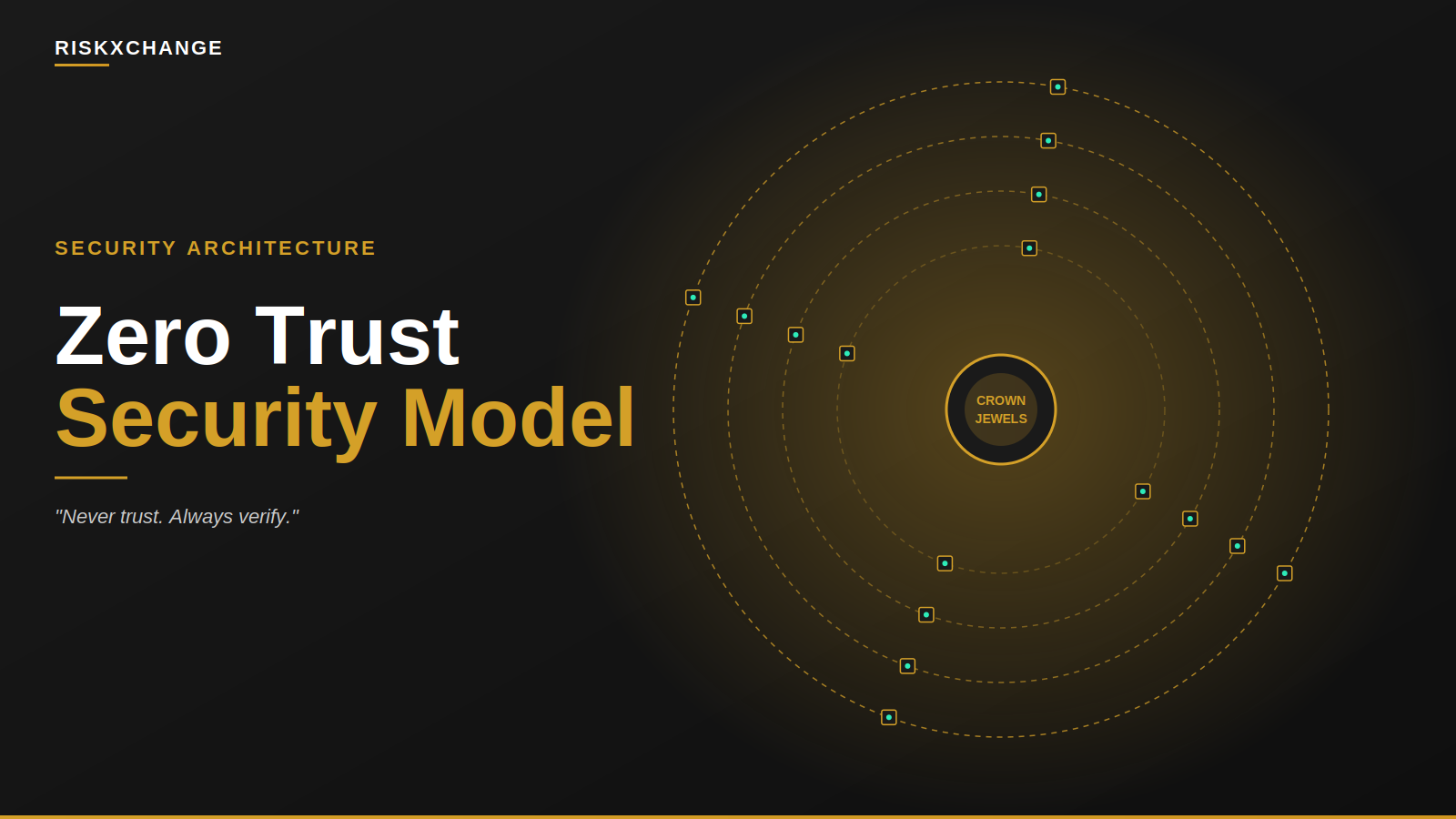 Cybersecurity
What is a zero trust security model?
The zero trust security model, pioneered by John Kindervag, is a cybersecurity approach that operates on the principle of “never trust, always verify.” Unlike traditional perimeter-based defenses, zero trust continuously authenticates and authorizes every user and device, whether inside or outside the network. It incorporates principles such as least-privilege access, micro-segmentation, and multi-factor authentication to reduce data breaches and provide full visibility across an organization’s digital ecosystem. RiskXchange supports businesses in implementing zero trust frameworks with innovative, AI-powered cybersecurity solutions.
Read more Risk Management
How to protect personally identifiable information from a cyber breach
Personally identifiable information (PII) is a prime target for cybercriminals due to its high value on the dark web. To protect PII from cyber breaches, businesses must follow data compliance regulations like GDPR and HIPAA, rigorously vet third-party vendors, adopt encryption protocols, and implement automated vendor monitoring solutions. Proactive cybersecurity strategies not only strengthen data protection but also build stakeholder trust and ensure regulatory compliance.
Read more Cybersecurity
Types of threat actors and dangers of each one
Understanding the various types of cyber threat actors is essential for organisations to develop effective security measures. These actors range from hackers and cybercriminals to more sophisticated threats like state-sponsored actors, cyber terrorists, and insider threats. Each type poses varying degrees of danger, with motives ranging from financial gain to political agendas. Awareness of these actors enables businesses to implement the appropriate security controls and policies to mitigate risks and prevent breaches.
Read more Cybersecurity
Top network authentication methods to prevent data breaches
Robust network authentication is critical for preventing data breaches and maintaining business continuity. Key methods include password-based authentication, two-factor and multi-factor authentication, CAPTCHAs, biometric verification, and certificate-based authentication. Understanding and implementing common authentication protocols like PAP, CHAP, and EAP further strengthens security. RiskXchange offers advanced solutions to enhance network protection, providing real-time risk visibility and AI-driven cybersecurity management to help organisations proactively defend against cyberattacks.
Read more Cybersecurity
How to build a crisis communication plan for cyber threats
A crisis communication plan for cyber threats is essential for every organisation to manage the fallout from potential cyberattacks. These plans help maintain trust, minimise damage to brand reputation, and ensure coordinated internal and external communication. Key steps include identifying likely cyber threats, forming a dedicated crisis communication committee, preparing communication drafts, and prioritising stakeholder outreach. Timely and transparent communication ensures your organisation stays in control during a crisis, safeguarding both business operations and public trust.
Read more