Tagged Data Protection.
Every article we've tagged with "Data Protection".
From the team.
 Cybersecurity
All you need to know about ransomware attacks
Ransomware continues to be one of the most damaging cyber threats facing businesses and individuals alike. From scareware and screen lockers to encrypting ransomware, attackers are using increasingly sophisticated methods to lock systems and demand payment. Learn how ransomware spreads, its various forms, and how to avoid falling victim. Discover why working with cybersecurity experts like RiskXchange is essential for early detection, risk mitigation, and staying one step ahead of cybercriminals.
Read more Cybersecurity
How malware has evolved over time
Malware has transformed dramatically over the decades—from harmless pranks like The Creeper and Elk Cloner to sophisticated ransomware attacks like WannaCry and Lockbit. Key moments include the rise of phishing, the birth of botnets, the shift to cryptocurrency payments, and the emergence of ransomware-as-a-service. Understanding these milestones is crucial to defending against today’s evolving cyber threats.
Read more Cybersecurity
1 in 4 Employees Loses their job after Compromising their company’s Security
New research reveals that 1 in 4 employees lost their job after compromising their company’s security, often due to phishing scams or sending emails to the wrong recipients. Workplace stress, distraction, and hybrid environments are major contributors to these mistakes. Companies can reduce risks by promoting regular breaks, minimizing cognitive fatigue, and educating employees on cybersecurity threats. RiskXchange offers solutions to strengthen data protection and mitigate cyber risks.
Read more Cybersecurity
What are the Risks of Emerging Technologies in Cyber Security?
Emerging technologies are revolutionizing the digital world but also increasing cybersecurity risks. As businesses adopt innovations like AI, IoT, and mobile platforms, they become more vulnerable to sophisticated cyber threats such as data breaches, cryptojacking, cross-site scripting, and insider attacks. These risks grow as more data is digitized and shared online, expanding the attack surface. Cybercriminals now exploit new technologies to launch advanced attacks, while organizations must leverage emerging cybersecurity tools to detect, prevent, and respond to threats effectively. To stay secure, companies need proactive strategies that align with evolving tech and threat landscapes.
Read more Cybersecurity
Social engineering attacks: What is a whaling attack?
Whaling attacks are highly targeted social engineering attacks aimed at executives, using convincing spoofed emails to steal money or sensitive information. Cases like FACC and Seagate show the severe financial and reputational damage whaling can cause. As remote work rises, so does the frequency of these attacks. To mitigate risks, businesses must train executives, strengthen email authentication (DNSSEC, DMARC, DKIM, SPF), enforce verification protocols, and improve vendor security. Strengthening cybersecurity measures and verification processes is critical to defending against whaling attacks.
Read more Risk Management
Remediated vs Mitigated – Know the Difference
Remediation and mitigation are key cybersecurity strategies. Remediation fully eliminates a threat, while mitigation reduces its impact when a fix isn’t possible. Both rely on risk assessments and are essential for managing vulnerabilities. Automation and best practices—like regular updates, access control, and network monitoring—enhance effectiveness. RiskXchange supports both processes by helping businesses identify, manage, and reduce cyber risks across their attack surface and third-party ecosystem.
Read more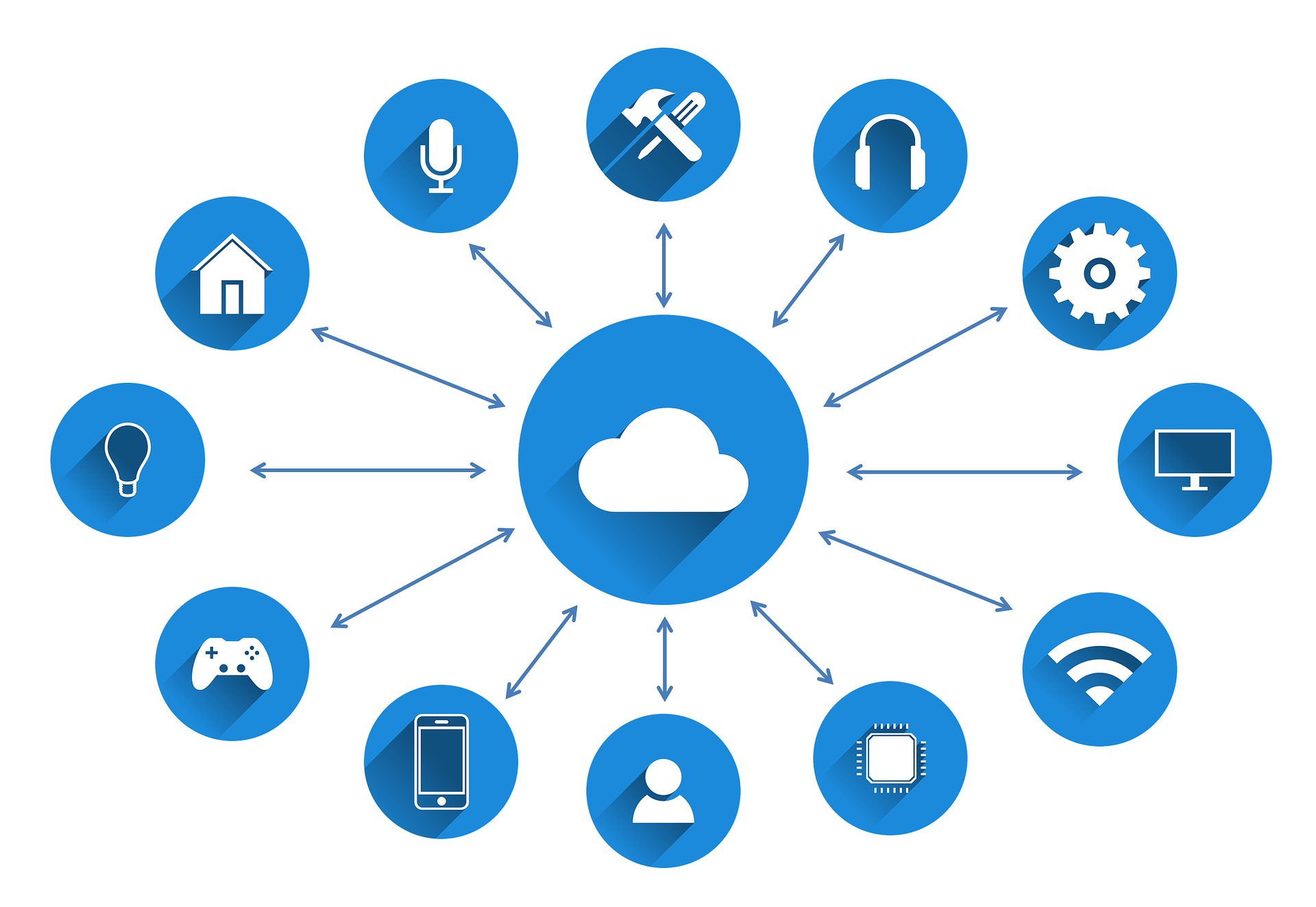 Cybersecurity
Why do you need a cloud security posture management (CSPM)?
Cloud Security Posture Management (CSPM) is essential for identifying and fixing misconfigurations, compliance risks, and vulnerabilities across cloud environments like SaaS, IaaS, and PaaS. As organisations adopt cloud services, security threats grow, making CSPM critical for data protection, compliance monitoring, governance, and real-time threat detection. CSPM offers continuous monitoring, automated remediation, and helps ensure regulatory compliance. RiskXchange provides advanced CSPM solutions to strengthen cloud security and safeguard organisations from evolving cyber threats.
Read more Risk Management
What is GRC? The Executive Guide to Governance, Risk, and Compliance in 2026
Discover what GRC means in 2026 and how modern, AI-driven strategies transform governance, risk, and compliance into a unified, real-time capability. Learn how to eliminate data silos, strengthen supply chain resilience, and turn compliance into a measurable competitive advantage.
Read more Cybersecurity
What is a common indicator of a phishing attempt?
Phishing attacks are designed to trick users into revealing sensitive data or downloading malicious software. Common indicators include poor grammar, suspicious attachments, unusual requests, and inconsistencies in email addresses or domain names. RiskXchange outlines 11 clear signs of phishing and shares six top strategies to help organisations protect against phishing campaigns.
Read more Cybersecurity
Building a Cybersecurity Roadmap: How to Build & Develop a Comprehensive Security Strategy
A cybersecurity roadmap is critical for protecting businesses against evolving digital threats. This blog breaks down how to create an effective cybersecurity strategy—tailored to the size and needs of your business. From understanding core components like security awareness and access control, to implementing 8 actionable steps, this guide empowers organisations to develop resilient cyber defences. Learn how to align people, processes, and technology to reduce risk and improve compliance.
Read more Compliance
Data Breach Risk Assessment: A Strategic Guide to Quantifying Cyber Resilience in 2026
The window between zero-day discovery and active exploitation has shrunk to less than 12 hours. Manual audits can't keep pace. Learn how to shift from subjective checklists to continuous, data-driven risk assessment that quantifies vulnerability into actionable financial metrics.
Read more Cybersecurity
How a cyber ecosystem works – your protection against a supply chain attack
A cyber ecosystem functions much like a natural one, where organisations, vendors, and external parties are interconnected. This interconnectedness increases vulnerability to supply chain attacks if not properly secured. High-profile breaches like SolarWinds, Accellion, SocialArk, and CodeCov highlight the critical need for strong third-party risk management. As ransomware threats escalate, protecting the digital supply chain with updated cybersecurity standards, targeted risk management, and a security-first culture becomes essential. RiskXchange offers a comprehensive platform for continuous attack surface monitoring, empowering organisations to prevent cyber threats effectively.
Read more Cybersecurity
What are information security standards?
Information security standards like ISO 27001, ISO 27002, NIST, GDPR, and PCI DSS provide frameworks for protecting data, managing cyber risks, and ensuring regulatory compliance. They help organizations implement best practices, reduce vulnerabilities, and build trust with clients and partners. Failing to meet these standards can lead to data breaches, legal penalties, and reputational damage. Choosing the right standards depends on your industry, operations, and risk exposure.
Read more Cybersecurity
Simple strategies for risk remediation in cyber security
Remediation in cybersecurity is essential for limiting the damage caused by breaches. As businesses face evolving threats, effective risk prioritisation, remediation processes, reliable metrics, and continuous improvement strategies become critical. By adopting frameworks like DevSecOps, embracing automation, and leveraging role-based reporting, organisations can build sustainable risk remediation programs that reduce their overall cybersecurity risk.
Read more Cybersecurity
Top 5 cyber risks for insurance companies
Insurance companies face increasing cyber risks due to evolving threats and expanding digital ecosystems. Key risks include third-party breaches, social engineering, ransomware, cloud exploits, and poor security posture. These challenges demand real-time risk monitoring and advanced cybersecurity solutions to protect sensitive data and maintain operational integrity.
Read more Cybersecurity
How to Improve Your Security Score: A Comprehensive Guide
Your security score is already shaping how partners, insurers, and stakeholders evaluate your organisation. This guide breaks down how to improve your security score through continuous monitoring, targeted remediation, and strategic risk management, turning external perception into a measurable advantage you can control.
Read more Compliance
GDPR compliance checklist for 2022
A clear and practical GDPR compliance checklist for 2022 helps organisations align with EU data protection laws. Key areas include mapping data collection, appointing a Data Protection Officer, reporting breaches, updating privacy policies, and managing third-party risks. The guide also explains the roles of data controllers and processors. RiskXchange supports businesses with automated tools to streamline GDPR compliance and monitor supplier risks.
Read more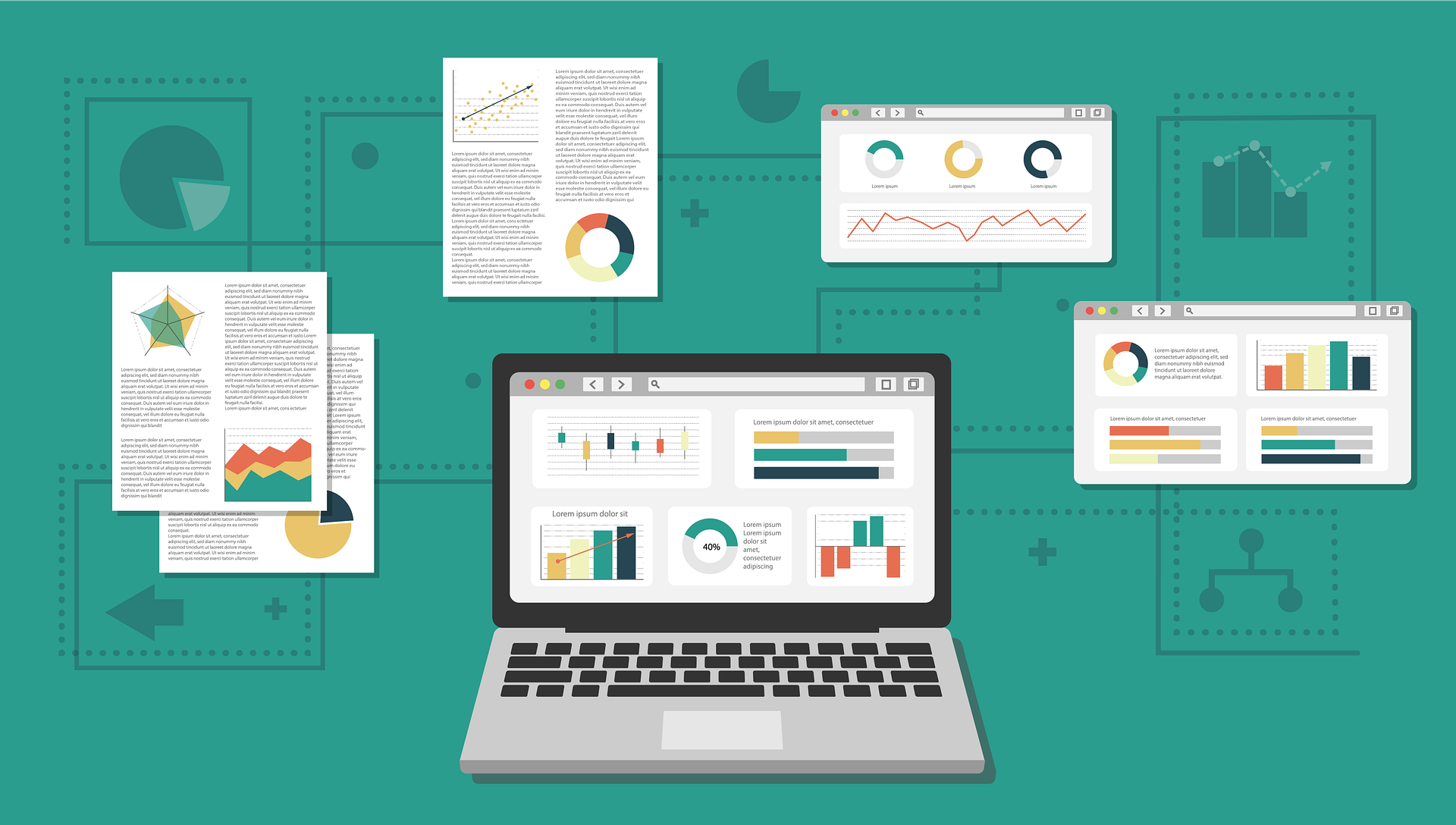 Cybersecurity
A guide to cybersecurity metrics and KPIs
This guide explores the importance of cybersecurity metrics and key performance indicators (KPIs) in measuring, managing, and improving an organisation’s security posture. It highlights the role of KPIs such as mean time to detect/respond/contain, intrusion attempts, virus monitoring, and phishing attacks, while outlining the CARE framework (Consistency, Adequacy, Reasonableness, Effectiveness). RiskXchange empowers organisations to track these metrics effectively to improve vendor security, communicate risk to stakeholders, and enhance cybersecurity outcomes.
Read more Cybersecurity
What You Need to Know About Signature-based Malware Detection
Signature-based malware detection identifies threats by comparing files to a database of known malware “signatures” or digital fingerprints. It’s highly effective against familiar attacks like phishing and ransomware but cannot detect new or modified malware. Combining this method with anomaly-based and hybrid systems provides broader protection. As cyber threats evolve, emerging technologies like AI and machine learning are being used to detect unknown attacks. RiskXchange enhances protection by offering real-time monitoring and threat detection across an organization’s entire digital ecosystem.
Read more Cybersecurity
Definition of impersonation – online safety
Online impersonation occurs when malicious actors steal someone's identity to cause financial, reputational, or emotional harm. It affects both individuals and businesses, often leading to financial loss, data breaches, and brand damage. Online impersonation differs from identity theft, mainly in intent and legal implications. Victims should act quickly by informing contacts, collecting evidence, and reporting the incident. RiskXchange helps businesses detect, monitor, and prevent online impersonation through advanced cybersecurity solutions and continuous network monitoring.
Read more Cybersecurity
What is an Intrusion Detection System (IDS)?
An Intrusion Detection System (IDS) is a tool that monitors network traffic to detect malicious activity or policy violations. It can alert administrators about potential security threats, but it does not actively block intrusions. IDS types include Network IDS (NIDS), Host IDS (HIDS), and Protocol-based IDS, each serving different network security needs. An Intrusion Prevention System (IPS) goes a step further by taking action to block intrusions. IDS helps in detecting malicious activity, improving network performance, meeting compliance requirements, and offering valuable insights into network security. Proper maintenance of IDS components is crucial to its effectiveness.
Read more Risk Management
What is a COBIT framework?
COBIT (Control Objectives for Information and Related Technology) is a globally recognized framework for the governance and management of enterprise IT. Developed by ISACA, it helps organizations align business risks with technical issues and control requirements. COBIT provides a structured model for ensuring the quality, control, and reliability of information systems. The framework is process-based, focusing on domains like planning, organization, delivery, and evaluation. COBIT includes principles to guide the development of governance systems tailored to an enterprise's needs. COBIT 2019 introduces updates such as new governing principles, expanded governance objectives, and integration with other standards. RiskXchange can help organizations implement cybersecurity frameworks like COBIT to improve risk management and cybersecurity posture.
Read more Risk Management
The Importance of Cybersecurity Due Diligence
Cybersecurity due diligence is essential for identifying and mitigating cyber risks from third- and fourth-party vendors, especially during mergers, acquisitions, and insurance assessments. It involves evaluating an organisation’s security posture, identifying vulnerabilities, and continuously monitoring risk through tools like security ratings. Platforms like RiskXchange offer streamlined, real-time solutions to manage and improve cyber risk performance.
Read more Cybersecurity
How to choose a cybersecurity framework that works for you
Choosing the right cybersecurity framework helps organisations establish strong security standards and processes to monitor and mitigate risk. Common frameworks include NIST, ISO 27001/27002, SOC2, NERC-CIP, HIPAA, GDPR, and FISMA—each tailored to specific industries and compliance needs. RiskXchange supports organisations by offering guidance, certifications, and real-time monitoring tools to effectively manage cybersecurity posture across ecosystems.
Read more