The thinking behind The Agency.
Insights and analysis on third-party risk management, vendor security, regulatory compliance, and the agentic shift reshaping how TPRM teams actually work.
From the team.
 Cybersecurity
Why do you need a cloud security posture management (CSPM)?
Cloud Security Posture Management (CSPM) is essential for identifying and fixing misconfigurations, compliance risks, and vulnerabilities across cloud environments like SaaS, IaaS, and PaaS. As organisations adopt cloud services, security threats grow, making CSPM critical for data protection, compliance monitoring, governance, and real-time threat detection. CSPM offers continuous monitoring, automated remediation, and helps ensure regulatory compliance. RiskXchange provides advanced CSPM solutions to strengthen cloud security and safeguard organisations from evolving cyber threats.
Read more Cybersecurity
Social engineering attacks: What is a whaling attack?
Whaling attacks are highly targeted social engineering attacks aimed at executives, using convincing spoofed emails to steal money or sensitive information. Cases like FACC and Seagate show the severe financial and reputational damage whaling can cause. As remote work rises, so does the frequency of these attacks. To mitigate risks, businesses must train executives, strengthen email authentication (DNSSEC, DMARC, DKIM, SPF), enforce verification protocols, and improve vendor security. Strengthening cybersecurity measures and verification processes is critical to defending against whaling attacks.
Read more Cybersecurity
Definition of impersonation – online safety
Online impersonation occurs when malicious actors steal someone's identity to cause financial, reputational, or emotional harm. It affects both individuals and businesses, often leading to financial loss, data breaches, and brand damage. Online impersonation differs from identity theft, mainly in intent and legal implications. Victims should act quickly by informing contacts, collecting evidence, and reporting the incident. RiskXchange helps businesses detect, monitor, and prevent online impersonation through advanced cybersecurity solutions and continuous network monitoring.
Read more Cybersecurity
Are You Safe from a Social Engineering Attack?
Social engineering attacks exploit human behavior to bypass even the best cybersecurity defenses. Criminals pose as trusted individuals to gain physical or digital access to sensitive data. Businesses are at serious risk if employees are not properly educated on these evolving tactics. Ongoing awareness training, storytelling, regular updates, and executive-level vigilance are essential to defend against social engineering threats.
Read more Risk Management
Strategies for effective third-party risk management
Effective third-party risk management is essential as organisations expand their vendor networks. Strategies like enforcing least privilege access, conducting thorough vendor risk assessments, and maintaining continuous attack surface monitoring can help prevent supply chain attacks. By adopting proactive, automated cybersecurity measures, businesses can protect their networks, enhance compliance, and secure long-term operational stability.
Read more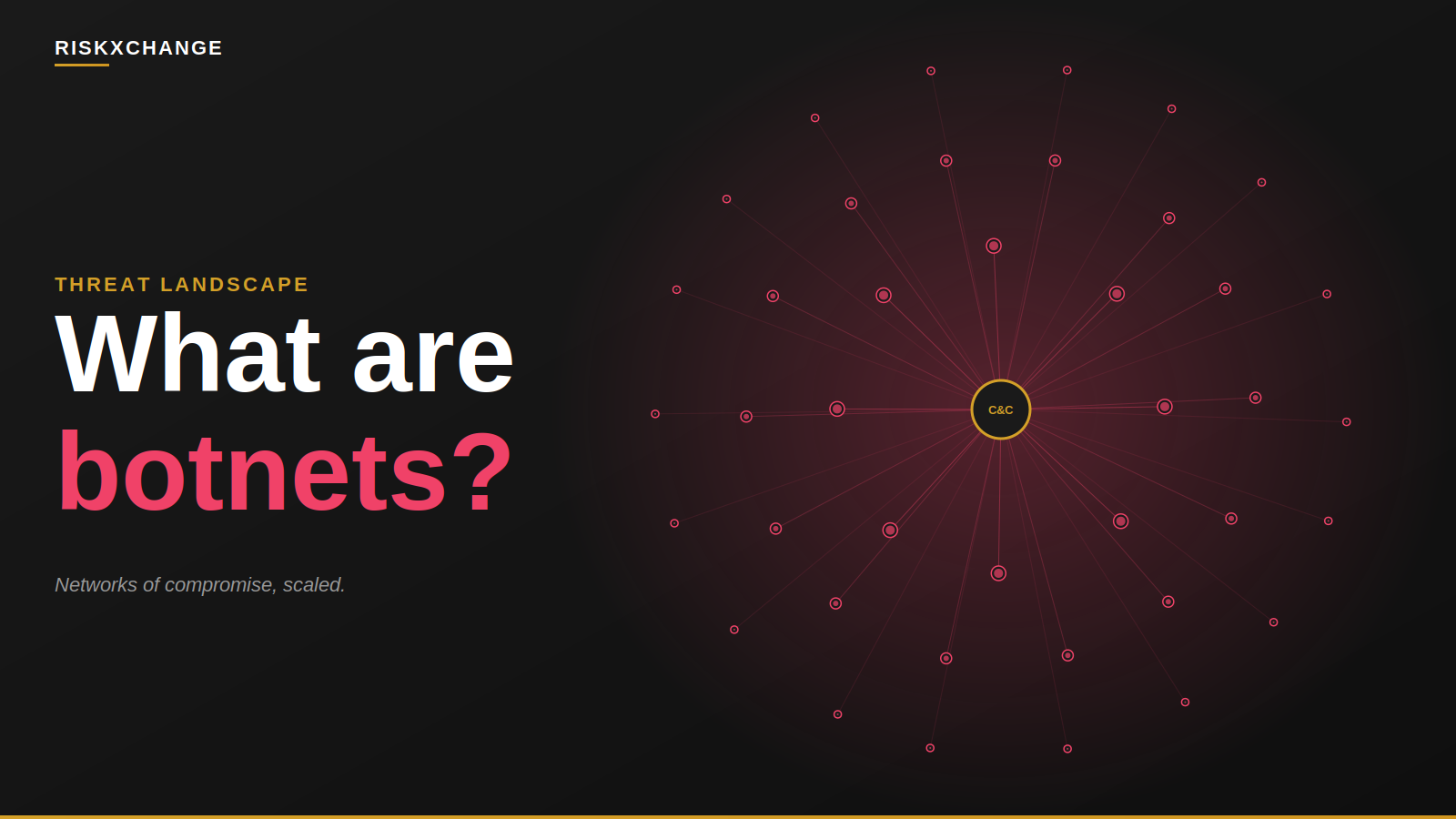
What are botnets?
Botnets are networks of internet-connected devices infected with malware and controlled remotely by cybercriminals, known as bot-herders. They are used for various attacks including email scams, phishing, DDoS attacks, financial theft, and information breaches. Devices such as computers, smartphones, routers, and IoT gadgets can all be compromised. Protecting against botnets requires strong passwords, secure device choices, cautious online behavior, and robust antivirus protection. RiskXchange helps organisations continuously monitor and strengthen their cybersecurity posture to prevent botnet attacks.
Read more Cybersecurity
Why a Cyber Security Posture Assessment is a must?
As organisations migrate assets to the cloud and expand third-party access, cyber threats are growing rapidly. A cyber security posture assessment provides critical insights into your organisation’s ability to detect, prevent, and respond to cyberattacks. It helps identify vulnerabilities, evaluate risk controls, and prioritise cybersecurity improvements. By regularly assessing your attack surface, you can strengthen your defences, protect sensitive data, and meet compliance demands. RiskXchange’s advanced cyber risk management platform empowers businesses to continuously monitor and optimise their security posture, significantly reducing cyber risk.
Read more Cybersecurity
Why is cybersecurity important? Taking proactive cybersecurity measures.
Cyberattacks targeting supply chains are on the rise, making proactive cybersecurity measures more crucial than ever. Gartner’s recent survey revealed a significant increase in cyber disruptions among suppliers, highlighting vulnerabilities beyond internal systems. Businesses must actively monitor and secure their entire supply chain, using protection-level agreements (PLAs) aligned with business drivers. RiskXchange offers an integrated cybersecurity risk platform that delivers complete visibility and protection across both internal and vendor networks, helping organisations mitigate threats before they escalate.
Read more Risk Management
VRM is key to managing and monitoring third-party vendors products and services
Vendor Risk Management (VRM) is critical for identifying, managing, and monitoring third-party risks that could compromise an organisation’s cybersecurity, financial stability, and reputation. As outsourcing grows, continuous audits and information security reviews across the entire vendor lifecycle — from qualification to relationship termination — are essential. RiskXchange offers a robust VRM framework that helps businesses reduce third-party risks and maintain strong compliance across multiple vendors and jurisdictions.
Read more Cybersecurity
Simple strategies for risk remediation in cyber security
Remediation in cybersecurity is essential for limiting the damage caused by breaches. As businesses face evolving threats, effective risk prioritisation, remediation processes, reliable metrics, and continuous improvement strategies become critical. By adopting frameworks like DevSecOps, embracing automation, and leveraging role-based reporting, organisations can build sustainable risk remediation programs that reduce their overall cybersecurity risk.
Read more Cybersecurity
What is IoT cybersecurity?
This guide explores the importance of IoT cybersecurity in an increasingly connected world. It explains what IoT is, why securing IoT devices is essential, and the common vulnerabilities and threats organizations face—from botnets and ransomware to shadow IoT and weak passwords. Real-world attack examples and key statistics underscore the urgency of adopting robust cybersecurity measures. The article also highlights best practices and RiskXchange's IoT cybersecurity services for protecting enterprise networks.
Read more Risk Management
How to protect personally identifiable information from a cyber breach
Personally identifiable information (PII) is a prime target for cybercriminals due to its high value on the dark web. To protect PII from cyber breaches, businesses must follow data compliance regulations like GDPR and HIPAA, rigorously vet third-party vendors, adopt encryption protocols, and implement automated vendor monitoring solutions. Proactive cybersecurity strategies not only strengthen data protection but also build stakeholder trust and ensure regulatory compliance.
Read more Cybersecurity
What is network segmentation?
Network segmentation is a security strategy that divides a network into smaller subnets to improve security, limit cyberattack spread, and enhance performance. It can be implemented physically (hardware) or logically (VLANs) and supports zero trust principles. Microsegmentation goes further by isolating individual workloads to prevent lateral movement. Benefits include improved threat containment, better traffic management, and enhanced monitoring. Both physical and logical segmentation have their roles depending on cost and flexibility. RiskXchange offers expert guidance for businesses looking to implement or enhance network segmentation.
Read more Cybersecurity
What is a cyber security incident report?
A cybersecurity incident report captures crucial details of an incident like a data breach, helping companies mitigate threats and enhance security measures. By documenting incidents, companies improve risk awareness, prevent major attacks, and build trust with clients and investors. Common incidents include emailing confidential data to the wrong person, downloading malware, unauthorized data access, and denial of service attacks. Timely reporting and detailed documentation are essential for effective threat remediation and future prevention. RiskXchange helps businesses improve their cybersecurity incident reporting processes to stay ahead of threats.
Read more Risk Management
How to Create a Cybersecurity Incident Response Plan?
A cybersecurity incident response plan (CSIRP) is essential for businesses to respond quickly and effectively to cyberattacks, minimizing damage and ensuring recovery. This blog post outlines the six phases of a CSIRP, including preparation, identification, containment, eradication, recovery, and lessons learned. It also covers the importance of assembling an incident response team, identifying vulnerabilities, and regularly testing and updating the plan. Additionally, it highlights how RiskXchange supports businesses in strengthening their cybersecurity efforts and incident response capabilities.
Read more
Access Control: The essential cybersecurity practice
Access control is a critical component of cybersecurity, ensuring that only authorised individuals can access sensitive data and systems. By implementing logical and physical access controls, organisations can manage authentication, authorisation, and auditing effectively. From ABAC to RBAC, the various types of access control support regulatory compliance and help mitigate security risks. RiskXchange empowers businesses with real-time visibility and AI-driven cybersecurity risk ratings to strengthen access management and reduce attack surfaces.
Read more Cybersecurity
Peer comparisons of cyber risk ratings: how they support your firm’s cyber assessment processes
Peer comparisons of cybersecurity risk ratings enable organisations to benchmark security performance, identify gaps, and optimise resource allocation. By aligning with industry standards, businesses can set targeted security goals, improve reporting accuracy, and enhance their overall cyber posture. RiskXchange empowers organisations with AI-driven, real-time insights to support proactive and strategic cybersecurity improvements.
Read more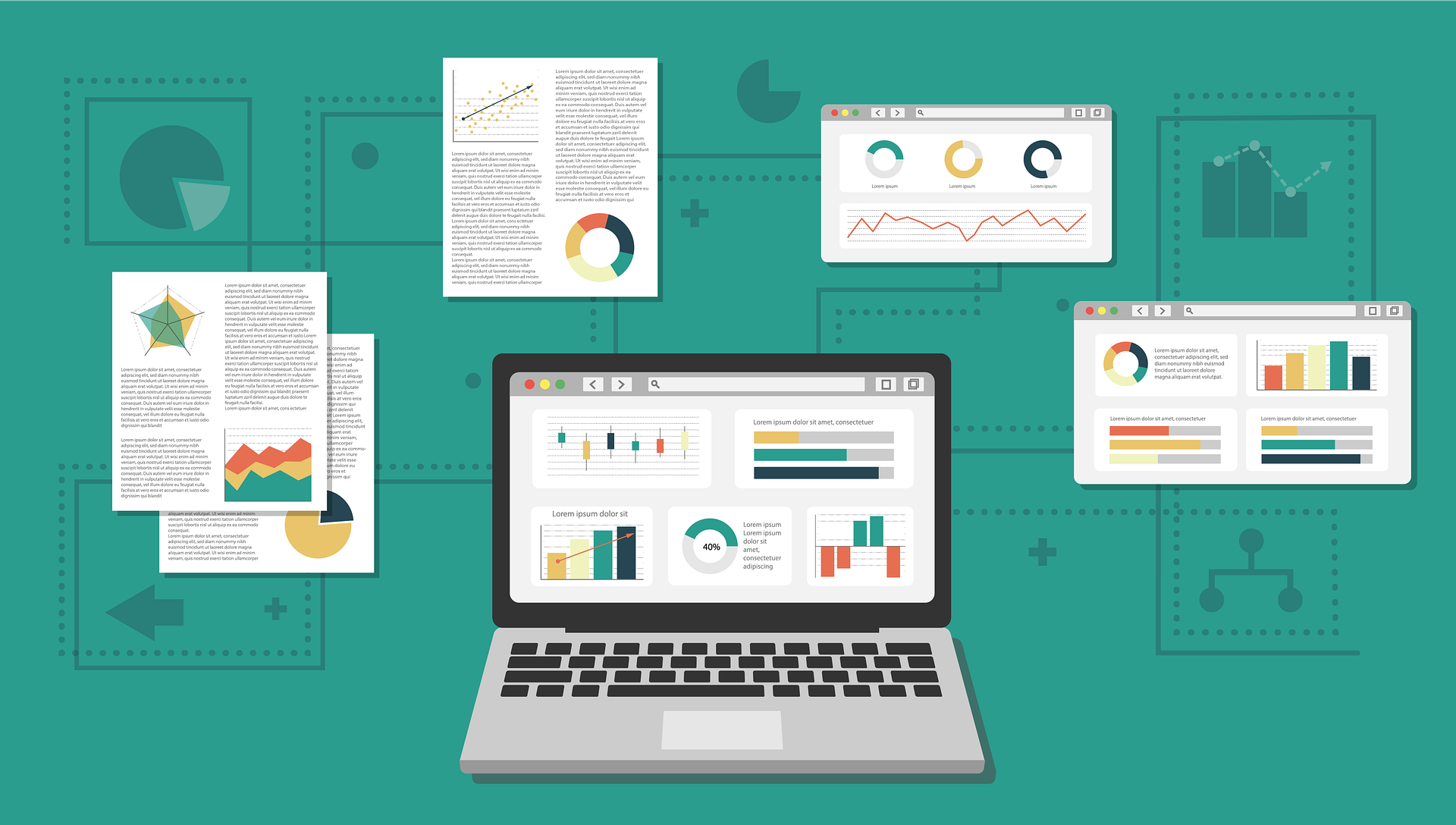 Cybersecurity
A guide to cybersecurity metrics and KPIs
This guide explores the importance of cybersecurity metrics and key performance indicators (KPIs) in measuring, managing, and improving an organisation’s security posture. It highlights the role of KPIs such as mean time to detect/respond/contain, intrusion attempts, virus monitoring, and phishing attacks, while outlining the CARE framework (Consistency, Adequacy, Reasonableness, Effectiveness). RiskXchange empowers organisations to track these metrics effectively to improve vendor security, communicate risk to stakeholders, and enhance cybersecurity outcomes.
Read more Cybersecurity
What is a zero trust security model?
The zero trust security model, pioneered by John Kindervag, is a cybersecurity approach that operates on the principle of “never trust, always verify.” Unlike traditional perimeter-based defenses, zero trust continuously authenticates and authorizes every user and device, whether inside or outside the network. It incorporates principles such as least-privilege access, micro-segmentation, and multi-factor authentication to reduce data breaches and provide full visibility across an organization’s digital ecosystem. RiskXchange supports businesses in implementing zero trust frameworks with innovative, AI-powered cybersecurity solutions.
Read more Cybersecurity
What is an IT security gap?
This guide explains what an IT security gap is and why identifying and addressing these gaps is critical for protecting a company's digital assets. It outlines the process of conducting an information security gap analysis and highlights eight of the most common security gaps businesses face, such as poor patch management, IoT vulnerabilities, employee risk, and lack of threat intelligence. The article concludes with how RiskXchange can support organisations in identifying and closing their security gaps.
Read more Cybersecurity
What are cyber security controls?
Cybersecurity controls are essential countermeasures used to detect, prevent, and respond to cyber threats. This blog explains the importance of cybersecurity controls, how to assess and implement the right measures based on company size and IT assets, and outlines 8 critical controls every business should prioritise—from multifactor authentication to incident response planning. It also highlights how RiskXchange can help organisations adapt their cybersecurity strategies with tools like risk ratings, attack surface monitoring, and vendor risk management.
Read more Cybersecurity
Building a Cybersecurity Roadmap: How to Build & Develop a Comprehensive Security Strategy
A cybersecurity roadmap is critical for protecting businesses against evolving digital threats. This blog breaks down how to create an effective cybersecurity strategy—tailored to the size and needs of your business. From understanding core components like security awareness and access control, to implementing 8 actionable steps, this guide empowers organisations to develop resilient cyber defences. Learn how to align people, processes, and technology to reduce risk and improve compliance.
Read more Cybersecurity
What are vulnerability management tools for?
Vulnerability management tools are essential cybersecurity solutions that help organisations identify, assess, and remediate system weaknesses that could be exploited by cybercriminals. These tools operate through a four-step process: identifying vulnerabilities, evaluating risks, managing them through remediation or mitigation, and generating reports to track progress and ensure compliance. Leveraging tools like vulnerability scanners, CVSS scoring, and automated dashboards, businesses can reduce their attack surface and strengthen their overall security posture.
Read more Cybersecurity
Phishing emails & ways to prevent spear phishing
Spear phishing is a highly targeted form of phishing where attackers impersonate trusted contacts to steal confidential data or funds. Unlike broad phishing scams, spear phishing involves in-depth research and personalized tactics, making it harder to detect. These attacks are rising in frequency and sophistication, causing significant financial damage. Key protections include employee training, email scanning, relationship monitoring, malicious URL detection, multi-factor authentication (MFA), and sandboxed attachment analysis. RiskXchange offers advanced solutions to defend against spear phishing and boost cybersecurity resilience.
Read moreStop reading. Start running TPRM differently.
Book a 30-minute call and we'll have NOVA, ARIA and REX produce a complete posture report on a vendor of your choice inside 24 hours.