From the team.
 Compliance
Continuous Vendor Security Monitoring: Closing the 364-Day Blind Spot
Continuous vendor security monitoring eliminates the “364-day blind spot” created by outdated annual assessments, replacing static questionnaires with real-time, AI-driven visibility. In a landscape where most breaches originate from third parties, organisations must adopt an outside-in approach, using automated intelligence, cybersecurity ratings, and tiered monitoring to detect and remediate risks instantly. This guide shows how to transform vendor risk management into a proactive, data-driven system that strengthens resilience and meets modern regulatory demands like DORA.
Read more Risk Management
How to Get Executive Buy-in for TPRM Budget: A 2026 Strategic Guide
Securing executive approval for TPRM investment in 2026 requires more than discussing cyber threats—it demands translating vendor risk into measurable business impact. This guide shows how to get executive buy-in for TPRM budget by using Cybersecurity Ratings, real-time supply chain visibility, and AI-driven risk intelligence to align security initiatives with revenue growth, operational efficiency, and regulatory compliance. Learn how to build a compelling board-level business case that moves your organisation from reactive risk management to proactive resilience.
Read more Compliance
Supply Chain Cybersecurity Framework: The Definitive 2026 Guide for CISOs
A modern supply chain cybersecurity framework is no longer about periodic vendor audits—it’s about continuous, real-time visibility across your entire digital ecosystem. In 2026, rising threats and stricter mandates like NIS2 and CMMC 2.0 require CISOs to move beyond static compliance and adopt AI-driven monitoring, cybersecurity ratings, and an outside-in perspective. This guide outlines how to build a resilient, data-driven framework that secures not just your direct vendors, but every layer of your supply chain.
Read more Risk Management
Third-Party Risk Management Case Studies: Lessons from Successes and Failures in 2026
Third-party risk management case studies in 2026 reveal a clear divide between organizations relying on outdated assessments and those achieving real-time resilience through AI-native oversight. This guide explores major breach post-mortems, successful DORA compliance strategies, and the measurable ROI of continuous monitoring. Learn how leading enterprises reduce incident response times, strengthen Nth-party visibility, and transform vendor risk into a trackable, data-driven benchmark for proactive supply chain security.
Read more Cybersecurity
Top 3 Ransomware Examples and what can we learn from them
Explore the top three ransomware attacks — Kaseya, Colonial Pipeline, and CNA Financial — and uncover vital cybersecurity lessons. Learn how ransomware spreads, the role of ransomware-as-a-service, and how businesses can improve supply chain security, enforce multi-factor authentication, and adopt zero-trust principles. RiskXchange offers real-time visibility and passive data monitoring to help organisations stay ahead of cyber threats.
Read more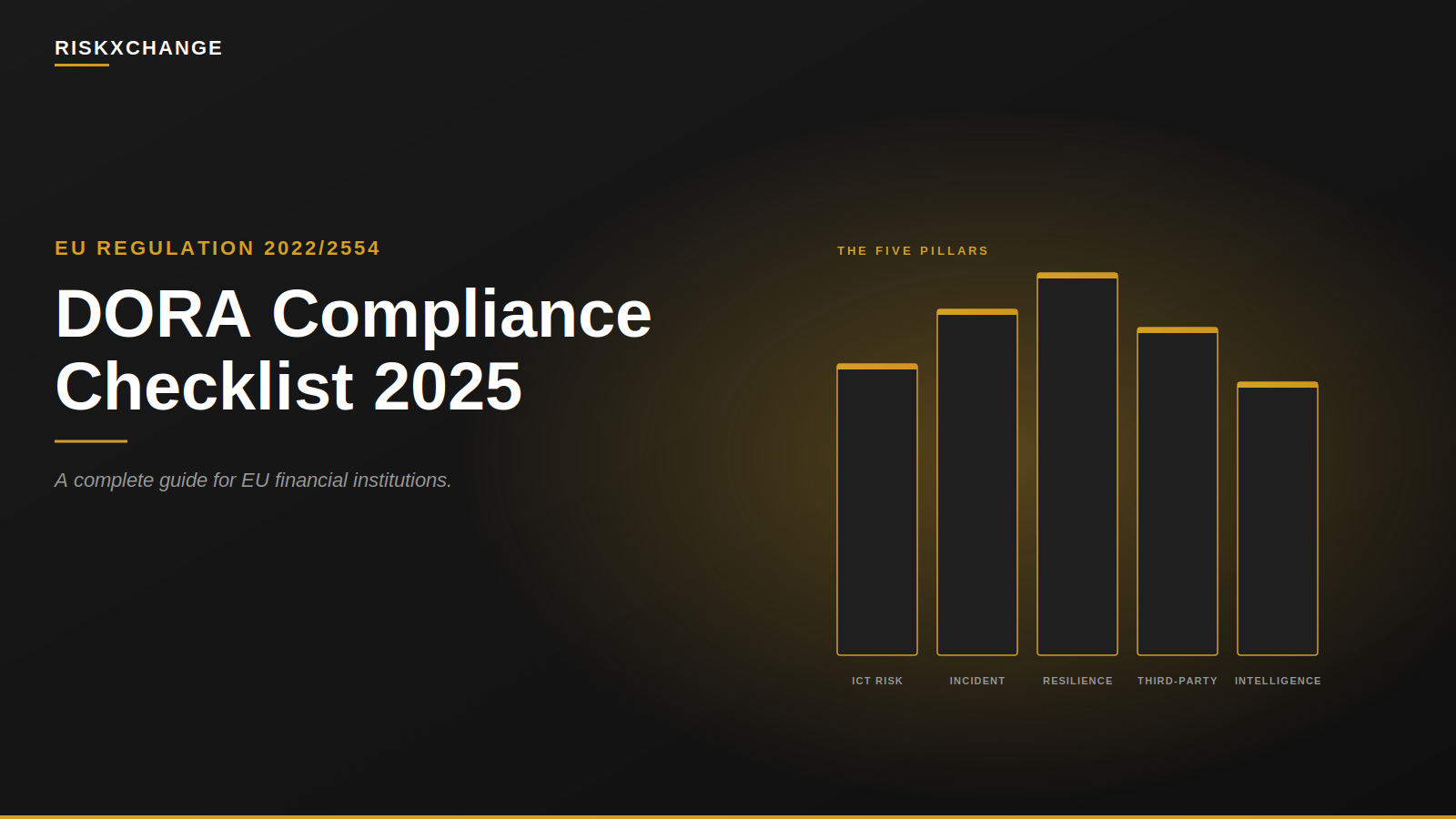 Compliance
DORA Compliance Checklist 2025: Complete Guide for EU Financial Institutions
Complete DORA compliance checklist for EU financial institutions. Essential guide covering ICT risk management, incident reporting, third-party oversight, and operational resilience testing. Ensure your organization meets the January 2025 deadline with actionable compliance strategies.
Read more