The thinking behind The Agency.
Insights and analysis on third-party risk management, vendor security, regulatory compliance, and the agentic shift reshaping how TPRM teams actually work.
From the team.
 Cybersecurity
Ransomware prevention: Top Security Tips
Ransomware attacks continue to evolve, posing a serious threat across industries. Explore expert-recommended prevention methods from RiskXchange—ranging from asset inventory and staff education to firewall settings, user authentication, and network segmentation. Learn how a proactive, multi-layered defence can significantly reduce the risk of ransomware and protect critical systems and data.
Read more.jpg) Cybersecurity
CybersecurityWhat is the real cost of a data breach?
Cyberattacks are on the rise. Hackers are well-funded, better organised, and more sophisticated in their methods. Not only are they causing millions of dollars’ worth of damage to businesses around the world but are reaping the rewards of a rather lucrative hacking enterprise.
Read more Cybersecurity
Understanding attack surfaces and how they influence your cybersecurity
Explore the concept of attack surfaces, including digital, physical, and social engineering vectors, and why reducing them is essential for cybersecurity. Learn how RiskXchange delivers real-time visibility and data-driven insights to help organisations proactively manage and minimise their attack surfaces.
Read more Cybersecurity
Importance of continuous control monitoring (CCM)
Continuous Control Monitoring (CCM) is essential for maintaining real-time visibility over cybersecurity controls and reducing risk exposure. By integrating with existing systems, CCM identifies vulnerabilities, monitors control effectiveness, and ensures compliance with industry standards. It automates data collection, reporting, and performance analysis, helping businesses react quickly to threats and improve operational efficiency. RiskXchange’s AI-powered CCM platform provides end-to-end monitoring, aligning cybersecurity posture with frameworks like NIST and PCI, while reducing compliance costs and enhancing decision-making.
Read more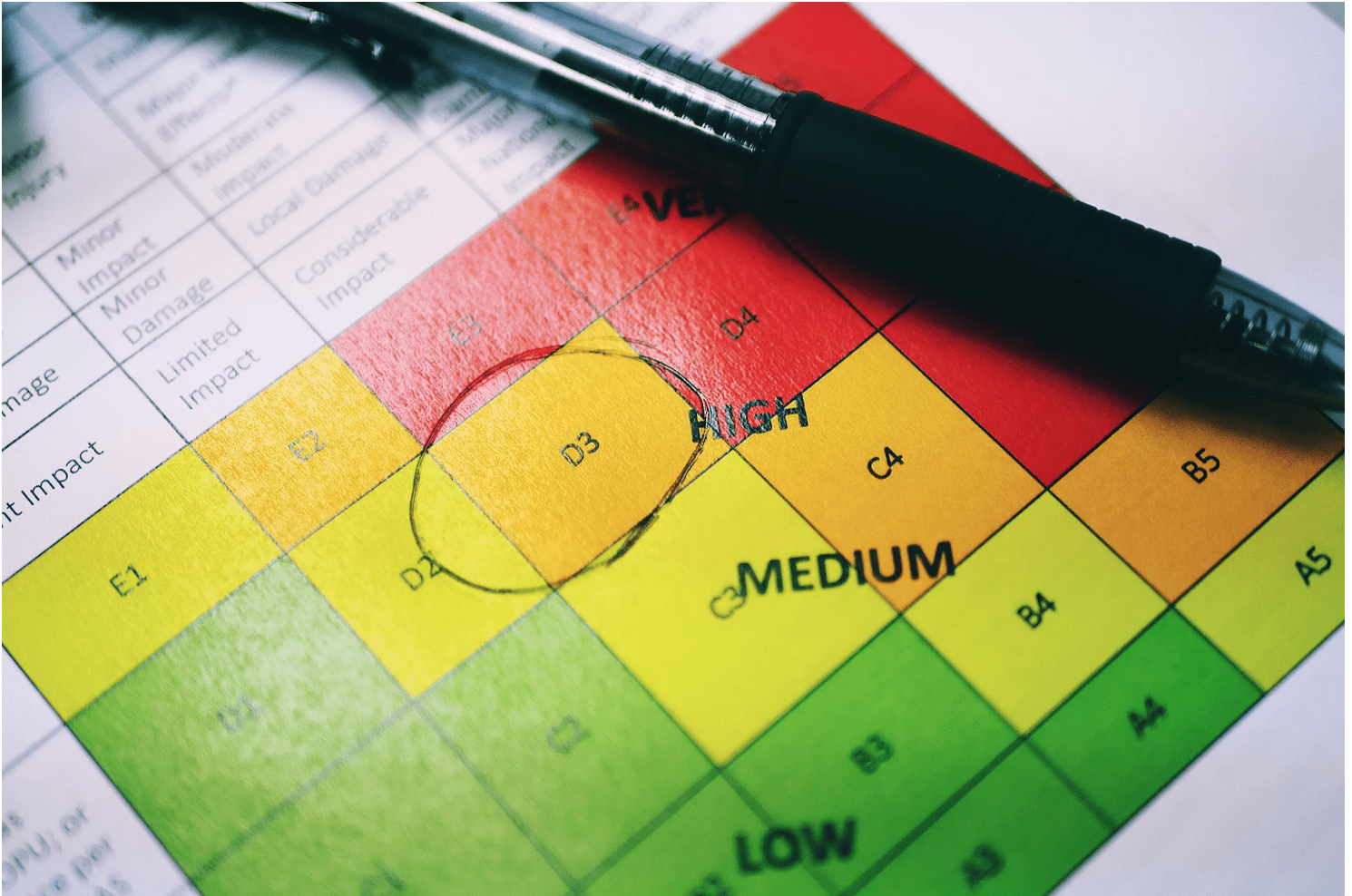 Cybersecurity
IT Cybersecurity Risk Assessment: A Step by Step Guide
Cybercrime is on the rise, and a comprehensive cybersecurity risk assessment is essential for protecting your business. This guide outlines a step-by-step approach—from identifying valuable data and assessing access controls to evaluating potential threats and reviewing vulnerabilities. Regular assessments and strong security strategies can prevent breaches and reduce financial impact. With tools like RiskXchange’s real-time monitoring and security risk ratings, businesses gain visibility across their ecosystem to proactively manage risks and strengthen cybersecurity posture.
Read more Cybersecurity
How to define sensitive data and the means of protecting it
Understanding and protecting sensitive data is essential in today’s threat landscape, where breaches increasingly target personal and confidential information. This guide outlines how to define sensitive data using the CIA triad—confidentiality, integrity, and availability—and highlights security measures like encryption, access controls, and vendor risk management. With third-party vulnerabilities rising, organisations must classify, monitor, and safeguard sensitive information—especially in cloud environments—to maintain compliance and prevent costly data breaches.
Read moreStop reading. Start running TPRM differently.
Book a 30-minute call and we'll have NOVA, ARIA and REX produce a complete posture report on a vendor of your choice inside 24 hours.