From the team.
 Cybersecurity
How to define sensitive data and the means of protecting it
Understanding and protecting sensitive data is essential in today’s threat landscape, where breaches increasingly target personal and confidential information. This guide outlines how to define sensitive data using the CIA triad—confidentiality, integrity, and availability—and highlights security measures like encryption, access controls, and vendor risk management. With third-party vulnerabilities rising, organisations must classify, monitor, and safeguard sensitive information—especially in cloud environments—to maintain compliance and prevent costly data breaches.
Read more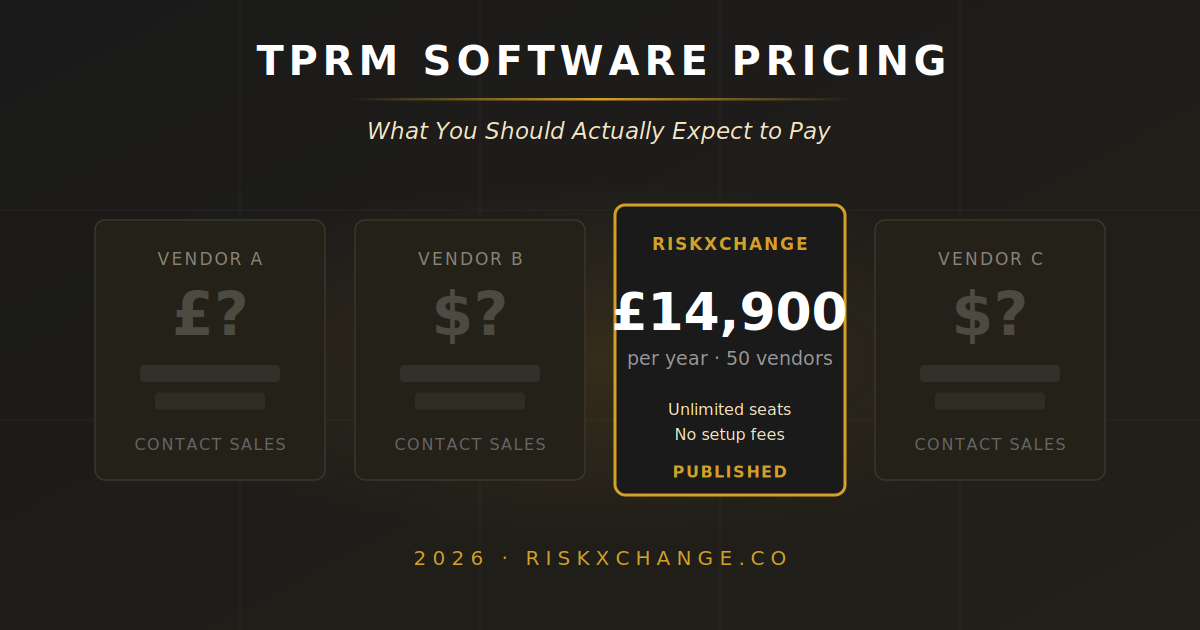 Risk Management
TPRM Software Pricing: What You Should Actually Expect to Pay in 2026
Almost every TPRM vendor hides its pricing. Here's what buyers actually pay in 2026 — real benchmark figures for SecurityScorecard, Bitsight, UpGuard and others, the hidden cost traps to negotiate away, and RiskXchange's published prices in full.
Read more Risk Management
Machine Learning for Vendor Risk Scoring: Moving Beyond Static Assessments in 2026
Traditional vendor risk assessments can't keep pace with today's threat landscape. Discover how machine learning for vendor risk scoring replaces static questionnaires with continuous, AI-driven monitoring, real-time security insights, and predictive risk intelligence—helping organisations strengthen third-party resilience, streamline vendor oversight, and make faster, data-driven decisions in 2026.
Read more Risk Management
Integrating TPRM with SIEM: A Strategic Guide for the Modern SOC
Learn how integrating TPRM with SIEM helps security teams turn vendor risk data into actionable threat intelligence. Discover how real-time risk ratings, automated alerts, and AI-driven monitoring improve incident response, reduce supply chain risk, and strengthen SOC operations with continuous third-party visibility.
Read more Risk Management
Continuous Third-Party Risk Monitoring: From Static Checklists to Real-Time Resilience
Continuous third-party risk monitoring has become essential in 2026 as annual vendor assessments leave organisations exposed to vulnerabilities for most of the year. With third parties now responsible for 30% of all data breaches and the average US breach cost reaching $10.22 million, static questionnaires and manual spreadsheets can no longer provide meaningful protection. This guide explores how AI-native monitoring frameworks deliver real-time visibility into vendor ecosystems, helping organisations identify technical risks, automate compliance evidence collection, and reduce alert fatigue through actionable intelligence. By shifting from periodic audits to continuous oversight, businesses can establish quantifiable security baselines, strengthen regulatory compliance, and build a resilient supply chain capable of adapting to an increasingly volatile threat landscape.
Read more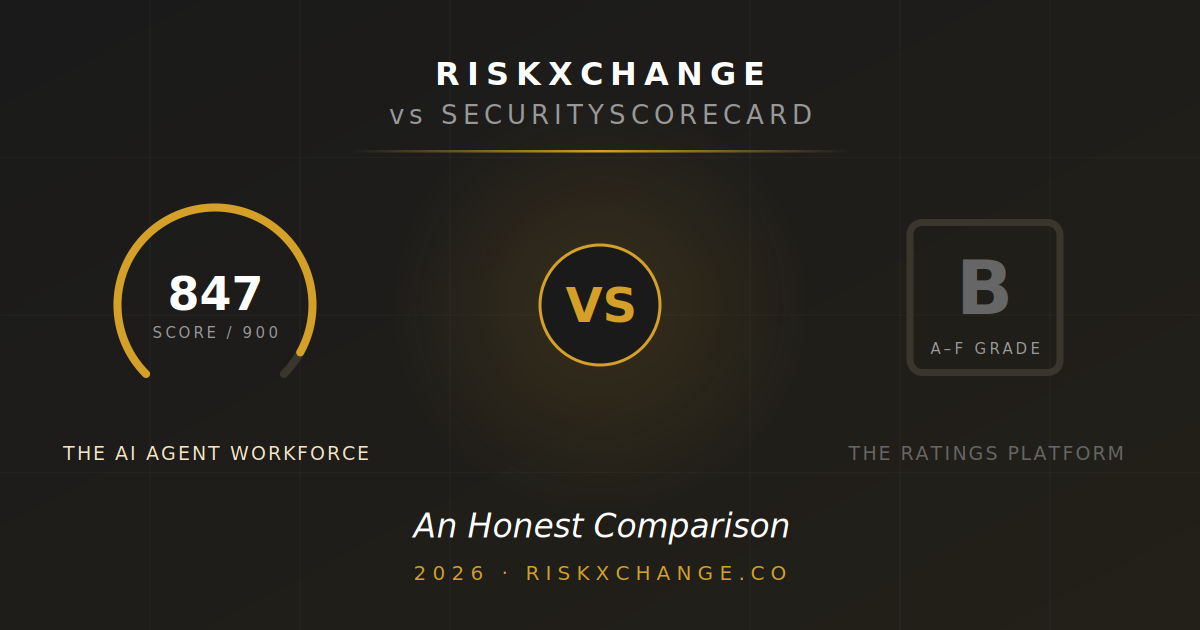 Risk Management
RiskXchange vs SecurityScorecard: An Honest Comparison (2026)
SecurityScorecard rates your vendors. RiskXchange puts an AI workforce to work on them. We compare data, scoring, AI capability, regulatory coverage, pricing and fit — honestly, including where SecurityScorecard wins.
Read more