Tagged Third Party Risk.
Every article we've tagged with "Third Party Risk".
From the team.
 Risk Management
Predictive Risk Intelligence Platforms: The 2026 Guide to Proactive Security
Traditional third-party risk assessments can't keep pace with today's evolving cyber threats. Discover how predictive risk intelligence platforms use AI, machine learning, and continuous attack surface monitoring to forecast vendor risk, strengthen supply chain resilience, automate third-party risk management, and support compliance with frameworks like NIST CSF 2.0 and ISO 31000 in 2026.
Read more Risk Management
The Importance of Cybersecurity Due Diligence
Cybersecurity due diligence is essential for identifying and mitigating cyber risks from third- and fourth-party vendors, especially during mergers, acquisitions, and insurance assessments. It involves evaluating an organisation’s security posture, identifying vulnerabilities, and continuously monitoring risk through tools like security ratings. Platforms like RiskXchange offer streamlined, real-time solutions to manage and improve cyber risk performance.
Read more Cybersecurity
Cybersecurity Risk Rating Platform: Transforming Supply Chain Visibility in 2026
A cybersecurity risk rating platform gives organisations real-time, outside-in visibility into their supply chain, transforming fragmented vendor assessments into a continuous, data-driven strategy. By combining AI-native insights with automated monitoring, teams can move from reactive security efforts to proactive risk reduction and measurable resilience across their entire vendor ecosystem.
Read more Risk Management
How to Improve Supply Chain Cybersecurity Posture: A Strategic Framework for 2026
Improving supply chain cybersecurity posture in 2026 requires more than static audits and manual questionnaires. This guide explores a strategic AI-native framework built around continuous monitoring, real-time security ratings, and proactive vendor oversight. Learn how leading enterprises strengthen resilience, reduce third-party risk exposure, improve remediation speed, and transform cybersecurity posture into a measurable benchmark that supports insurance, compliance, and long-term business trust.
Read more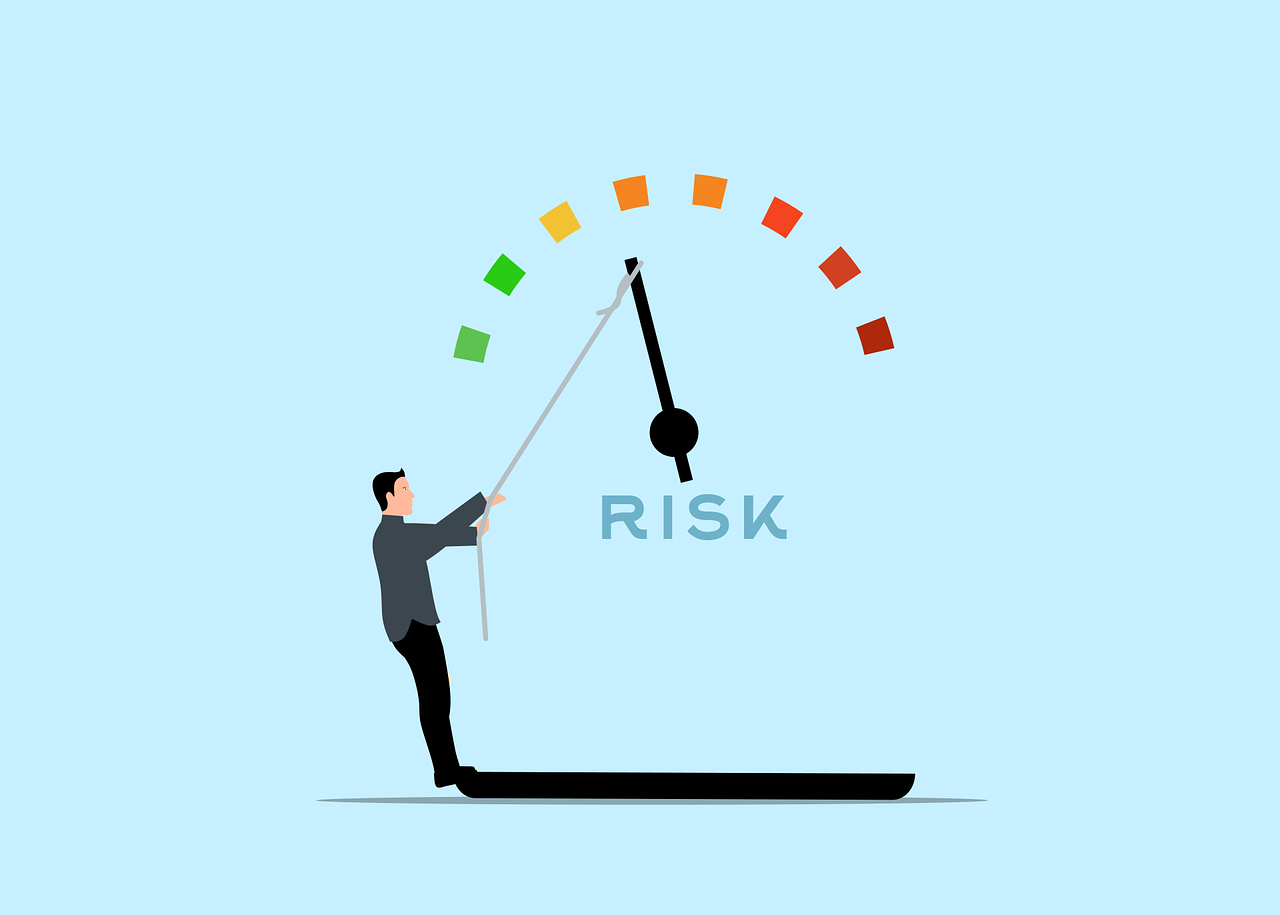 Risk Management
What is cyber security risk mitigation?
Cyber security risk mitigation involves proactive strategies to reduce the impact and likelihood of cyber threats. Key methods include continuous monitoring, access control, third-party risk management, network segmentation, and recovery planning. These practices help businesses safeguard IT infrastructure, prevent financial loss, ensure regulatory compliance, and protect their reputation. By adopting tools like multifactor authentication, antivirus software, and updated patch management, organisations can better prepare for and respond to cyberattacks.
Read more Risk Management
How to Automate Vendor Questionnaires: A Strategic Guide for 2026
Manual vendor questionnaires are slowing down risk management and creating dangerous visibility gaps across the supply chain. This guide explores how to automate vendor questionnaires using AI-driven workflows, real-time validation, and continuous monitoring to reduce onboarding delays, improve data accuracy, and strengthen third-party risk management. Learn how to move beyond spreadsheets and build a scalable, resilient vendor assessment programme for 2026 and beyond.
Read more