Category: Risk Management.
Every article we've published under "Risk Management".
From the team.
 Risk Management
ESG and Cybersecurity Risk: Integrating Digital Resilience into Governance in 2026
Cybersecurity has become a core pillar of ESG governance in 2026, with regulations like DORA, CSRD, and the EU Cyber Resilience Act forcing organisations to treat digital resilience as a measurable governance standard. This guide explores how to integrate ESG and cybersecurity risk into a unified strategy using continuous monitoring, Cybersecurity Ratings, and real-time supply chain visibility. Learn how to eliminate third-party blind spots, automate compliance, and build board-level confidence through data-driven governance.
Read more Risk Management
Overcoming the Critical Challenges in Third-Party Risk Management for 2026
Third-party risk management in 2026 is struggling under the weight of growing vendor ecosystems, rising breach costs, and blind spots in N-th party dependencies. Static questionnaires and annual audits are no longer enough. This article outlines how organisations can overcome these challenges by shifting to AI-native, continuous monitoring that delivers real-time visibility, reduces alert fatigue, and strengthens overall supply chain resilience.
Read more Risk Management
Enterprise Third-Party Risk Management: The 2026 Strategic Framework
Enterprise third-party risk management has evolved beyond annual vendor assessments into a continuous, AI-driven discipline. Learn how to unify cybersecurity, ESG, compliance, and data privacy within a single framework, automate vendor monitoring, and use real-time security ratings to strengthen supply chain resilience, simplify regulatory compliance, and proactively manage third-party risk at scale.
Read more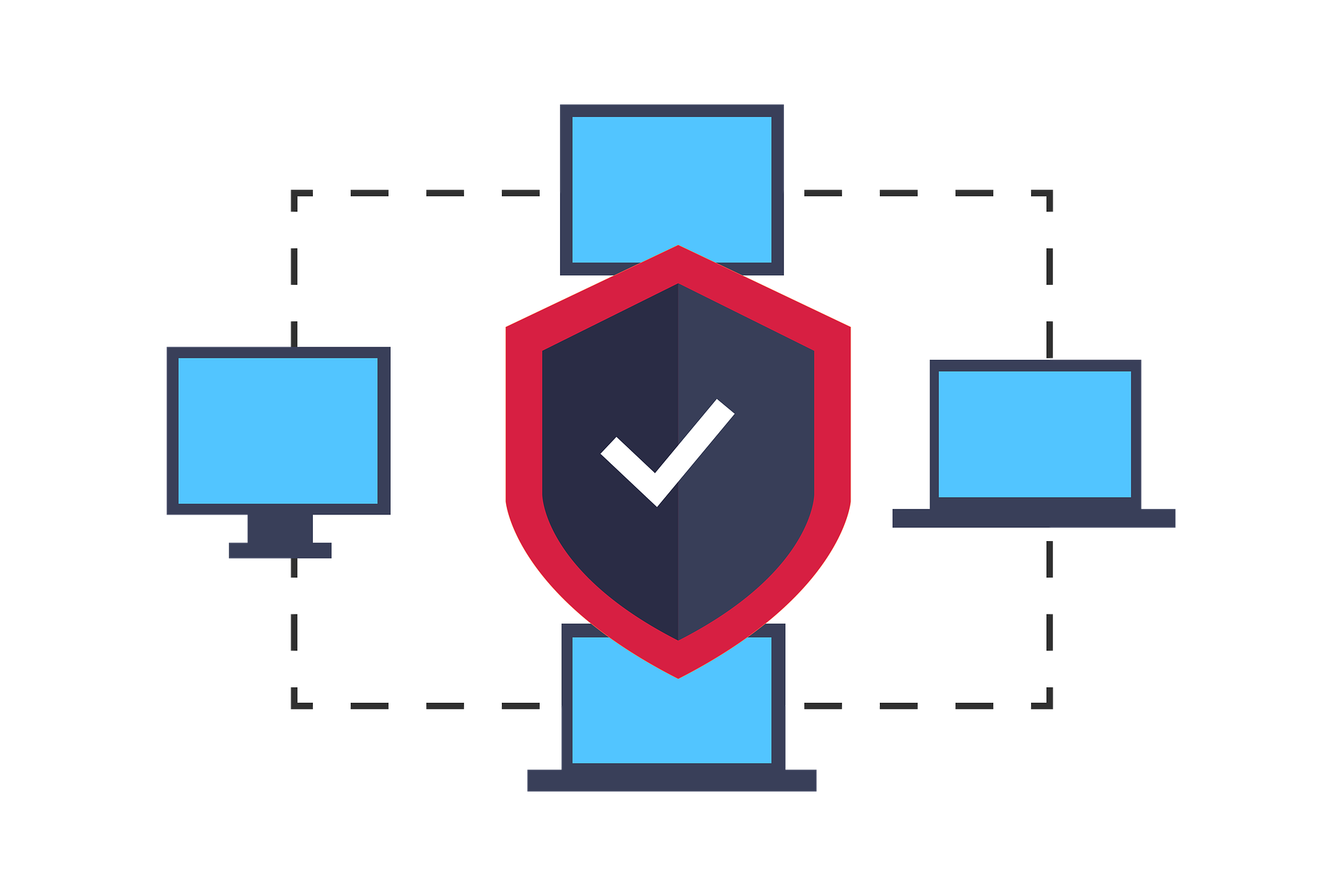 Risk Management
Remediated vs Mitigated – Know the Difference
Remediation and mitigation are key cybersecurity strategies. Remediation fully eliminates a threat, while mitigation reduces its impact when a fix isn’t possible. Both rely on risk assessments and are essential for managing vulnerabilities. Automation and best practices—like regular updates, access control, and network monitoring—enhance effectiveness. RiskXchange supports both processes by helping businesses identify, manage, and reduce cyber risks across their attack surface and third-party ecosystem.
Read more Risk Management
Digital Footprint Analysis: The 'Outside-In' Guide for Enterprise Security in 2026
Digital footprint analysis in 2026 shifts security from internal guesswork to external clarity. By adopting an outside-in perspective, organisations can uncover hidden assets, eliminate shadow IT, and gain real-time visibility into their entire attack surface—including third-party risks. This guide outlines a practical framework to transform fragmented data into actionable intelligence, helping security teams move from reactive defence to continuous, data-driven resilience.
Read more Risk Management
What is GRC? The Executive Guide to Governance, Risk, and Compliance in 2026
Discover what GRC means in 2026 and how modern, AI-driven strategies transform governance, risk, and compliance into a unified, real-time capability. Learn how to eliminate data silos, strengthen supply chain resilience, and turn compliance into a measurable competitive advantage.
Read more