Category: Cybersecurity.
Every article we've published under "Cybersecurity".
From the team.
 Cybersecurity
The Strategic Role of Network Segmentation in Modern Cybersecurity
Network segmentation has become a critical control layer in 2026, transforming flat architectures into secure, isolated zones that limit lateral movement and contain threats. This guide explores how macro- and microsegmentation strategies reduce attack surface, improve compliance, and deliver measurable resilience across hybrid environments.
Read more Cybersecurity
What’s the difference? Information Security vs Cyber Security
Information security and cybersecurity are often confused, but each has a distinct focus. Information security protects the confidentiality, integrity, and availability (CIA) of data in any form, while cybersecurity defends digital systems and data against unauthorised electronic access. Both are critical for safeguarding an organisation’s most valuable asset—its information. RiskXchange supports this by providing real-time visibility, continuous monitoring, and actionable security ratings to strengthen data protection strategies.
Read more Cybersecurity
What is a cybersecurity posture and how do you assess it?
Understanding and strengthening cybersecurity posture is essential in defending against evolving cyber threats. Cybersecurity posture reflects the overall security strength of an organisation’s infrastructure, processes, and human behaviours. A step-by-step assessment approach helps identify vulnerabilities, build robust risk management programs, and educate employees on best practices. During periods of heightened threat, following NCSC guidance ensures resilience while prioritising staff wellbeing. RiskXchange supports organisations with real-time risk visibility, continuous monitoring, and data-driven security ratings to maintain a strong and sustainable cybersecurity posture.
Read more Risk Management
Board Reporting on Cybersecurity Risk: A Strategic Framework for 2026
Board reporting on cybersecurity risk has evolved from technical updates into a strategic governance requirement in 2026. This guide explores how CISOs and security leaders can translate complex threat data into business resilience metrics that align with board priorities, SEC disclosure mandates, and enterprise risk management goals. Learn how to leverage Cybersecurity Ratings, continuous third-party monitoring, and AI-driven reporting to provide directors with real-time visibility, quantify material risk, and strengthen organisational resilience across the entire supply chain.
Read more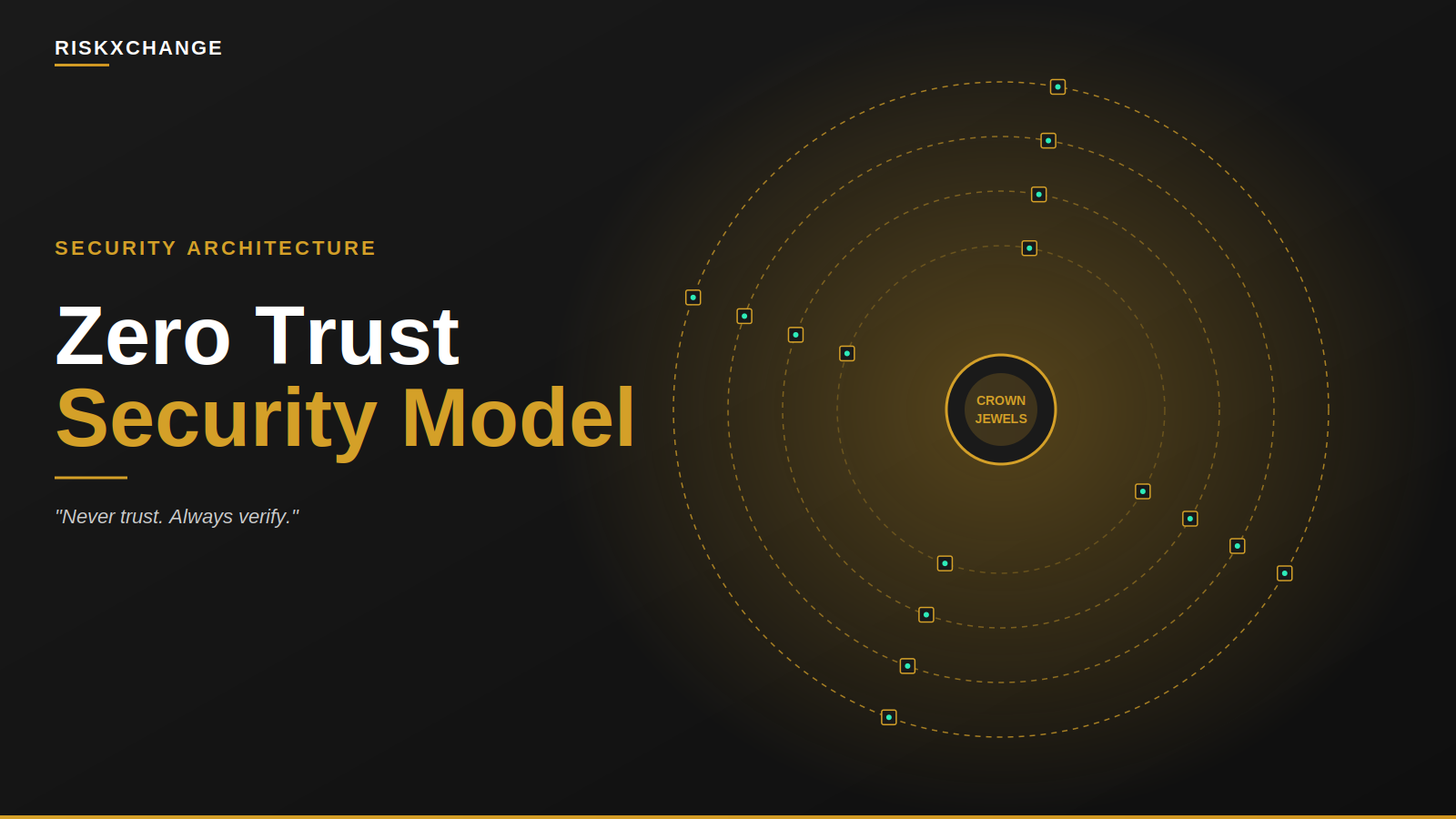 Cybersecurity
What is a zero trust security model?
The zero trust security model, pioneered by John Kindervag, is a cybersecurity approach that operates on the principle of “never trust, always verify.” Unlike traditional perimeter-based defenses, zero trust continuously authenticates and authorizes every user and device, whether inside or outside the network. It incorporates principles such as least-privilege access, micro-segmentation, and multi-factor authentication to reduce data breaches and provide full visibility across an organization’s digital ecosystem. RiskXchange supports businesses in implementing zero trust frameworks with innovative, AI-powered cybersecurity solutions.
Read more Risk Management
Vendor Risk Remediation Best Practices for 2026: A Strategic Guide
Discover the vendor risk remediation best practices every organisation needs in 2026. Learn how to prioritise critical risks, automate remediation workflows, strengthen vendor accountability, and reduce third-party cyber risk through continuous, AI-driven monitoring.
Read more