Category: Cybersecurity.
Every article we've published under "Cybersecurity".
From the team.
 Cybersecurity
Simple strategies for risk remediation in cyber security
Remediation in cybersecurity is essential for limiting the damage caused by breaches. As businesses face evolving threats, effective risk prioritisation, remediation processes, reliable metrics, and continuous improvement strategies become critical. By adopting frameworks like DevSecOps, embracing automation, and leveraging role-based reporting, organisations can build sustainable risk remediation programs that reduce their overall cybersecurity risk.
Read more Cybersecurity
Top 5 cyber risks for insurance companies
Insurance companies face increasing cyber risks due to evolving threats and expanding digital ecosystems. Key risks include third-party breaches, social engineering, ransomware, cloud exploits, and poor security posture. These challenges demand real-time risk monitoring and advanced cybersecurity solutions to protect sensitive data and maintain operational integrity.
Read more Risk Management
What Is a Security Rating Score? A Comprehensive Guide for 2026
Learn what a security rating score is and why it has become a critical benchmark for digital trust and resilience in 2026. Discover how AI-native platforms analyse external risk signals, quantify cybersecurity posture, and help organisations strengthen third-party risk management, improve board reporting, and maintain continuous visibility across their entire digital attack surface.
Read more Cybersecurity
How to Improve Your Security Score: A Comprehensive Guide
Your security score is already shaping how partners, insurers, and stakeholders evaluate your organisation. This guide breaks down how to improve your security score through continuous monitoring, targeted remediation, and strategic risk management, turning external perception into a measurable advantage you can control.
Read more Compliance
GDPR compliance checklist for 2022
A clear and practical GDPR compliance checklist for 2022 helps organisations align with EU data protection laws. Key areas include mapping data collection, appointing a Data Protection Officer, reporting breaches, updating privacy policies, and managing third-party risks. The guide also explains the roles of data controllers and processors. RiskXchange supports businesses with automated tools to streamline GDPR compliance and monitor supplier risks.
Read more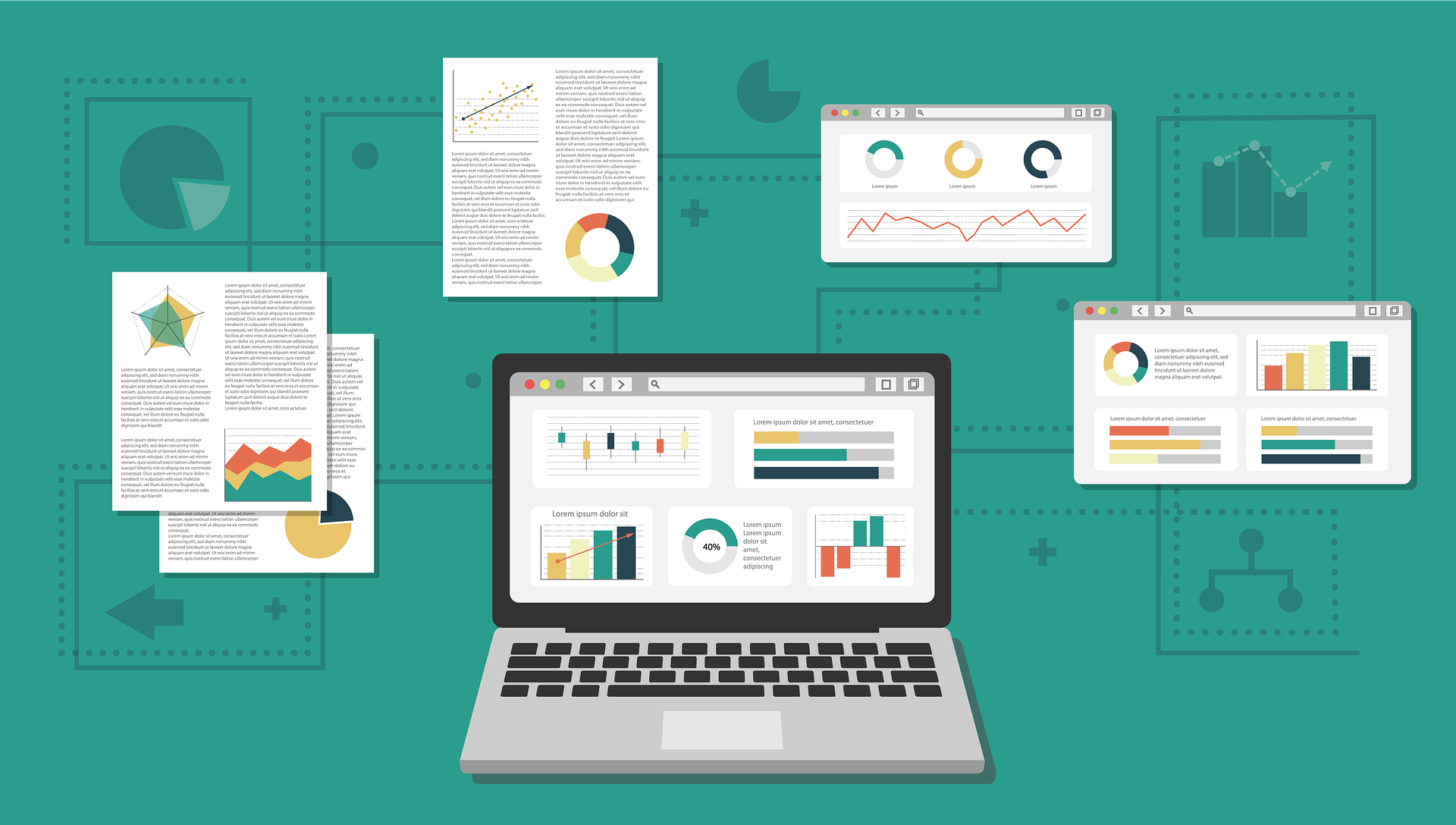 Cybersecurity
A guide to cybersecurity metrics and KPIs
This guide explores the importance of cybersecurity metrics and key performance indicators (KPIs) in measuring, managing, and improving an organisation’s security posture. It highlights the role of KPIs such as mean time to detect/respond/contain, intrusion attempts, virus monitoring, and phishing attacks, while outlining the CARE framework (Consistency, Adequacy, Reasonableness, Effectiveness). RiskXchange empowers organisations to track these metrics effectively to improve vendor security, communicate risk to stakeholders, and enhance cybersecurity outcomes.
Read more