Tagged Data Protection.
Every article we've tagged with "Data Protection".
From the team.
 Risk Management
What are the 5 steps in operational security?
Operational Security (OPSEC) is a five-step risk management process designed to protect sensitive data by viewing operations from an adversary’s perspective. The five steps include: identifying sensitive data, identifying potential threats, analyzing vulnerabilities, assessing risks, and implementing countermeasures. OPSEC is essential for minimizing risk exposure, especially when supported by best practices such as AAA authentication, dual control, automation, and disaster recovery planning. RiskXchange helps businesses implement strong operational security through continuous risk monitoring, digital risk protection, and third-party risk management.
Read more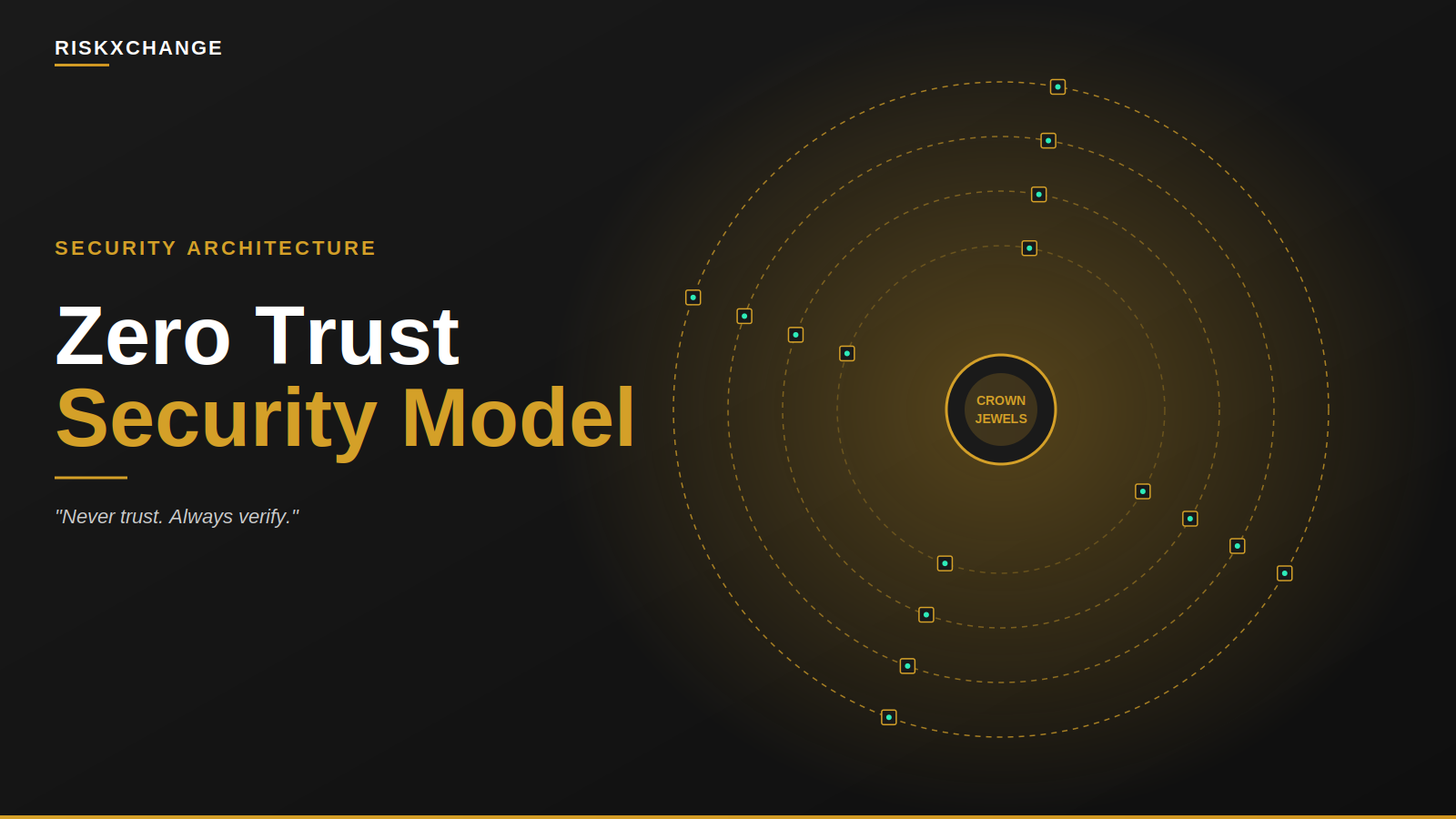 Cybersecurity
What is a zero trust security model?
The zero trust security model, pioneered by John Kindervag, is a cybersecurity approach that operates on the principle of “never trust, always verify.” Unlike traditional perimeter-based defenses, zero trust continuously authenticates and authorizes every user and device, whether inside or outside the network. It incorporates principles such as least-privilege access, micro-segmentation, and multi-factor authentication to reduce data breaches and provide full visibility across an organization’s digital ecosystem. RiskXchange supports businesses in implementing zero trust frameworks with innovative, AI-powered cybersecurity solutions.
Read more Risk Management
How to protect personally identifiable information from a cyber breach
Personally identifiable information (PII) is a prime target for cybercriminals due to its high value on the dark web. To protect PII from cyber breaches, businesses must follow data compliance regulations like GDPR and HIPAA, rigorously vet third-party vendors, adopt encryption protocols, and implement automated vendor monitoring solutions. Proactive cybersecurity strategies not only strengthen data protection but also build stakeholder trust and ensure regulatory compliance.
Read more Cybersecurity
Types of threat actors and dangers of each one
Understanding the various types of cyber threat actors is essential for organisations to develop effective security measures. These actors range from hackers and cybercriminals to more sophisticated threats like state-sponsored actors, cyber terrorists, and insider threats. Each type poses varying degrees of danger, with motives ranging from financial gain to political agendas. Awareness of these actors enables businesses to implement the appropriate security controls and policies to mitigate risks and prevent breaches.
Read more Cybersecurity
Top network authentication methods to prevent data breaches
Robust network authentication is critical for preventing data breaches and maintaining business continuity. Key methods include password-based authentication, two-factor and multi-factor authentication, CAPTCHAs, biometric verification, and certificate-based authentication. Understanding and implementing common authentication protocols like PAP, CHAP, and EAP further strengthens security. RiskXchange offers advanced solutions to enhance network protection, providing real-time risk visibility and AI-driven cybersecurity management to help organisations proactively defend against cyberattacks.
Read more Cybersecurity
How to build a crisis communication plan for cyber threats
A crisis communication plan for cyber threats is essential for every organisation to manage the fallout from potential cyberattacks. These plans help maintain trust, minimise damage to brand reputation, and ensure coordinated internal and external communication. Key steps include identifying likely cyber threats, forming a dedicated crisis communication committee, preparing communication drafts, and prioritising stakeholder outreach. Timely and transparent communication ensures your organisation stays in control during a crisis, safeguarding both business operations and public trust.
Read more