Category: Cybersecurity.
Every article we've published under "Cybersecurity".
From the team.
 Cybersecurity
How to prevent an enumeration attack
Enumeration attacks are a growing threat in the cybersecurity landscape, especially as businesses increasingly rely on cloud-based applications. These attacks exploit weak login systems by brute-forcing usernames and passwords, often aided by system messages or response time discrepancies. To prevent enumeration attacks, businesses should implement layered defenses such as limiting login attempts, using CAPTCHAs and MFA, deploying web application firewalls (WAFs), masking API responses, and conducting employee cyber awareness training. Strengthening both internal and vendor cybersecurity practices is vital to maintaining business integrity and resilience.
Read more Risk Management
Mastering Vendor Risk Assessment Workflow Automation in 2026
Discover how vendor risk assessment workflow automation helps organisations replace manual assessments with AI-driven workflows, continuous monitoring, and real-time security ratings. Learn how to automate vendor onboarding, reduce questionnaire fatigue, strengthen compliance, and build a scalable third-party risk management programme in 2026.
Read more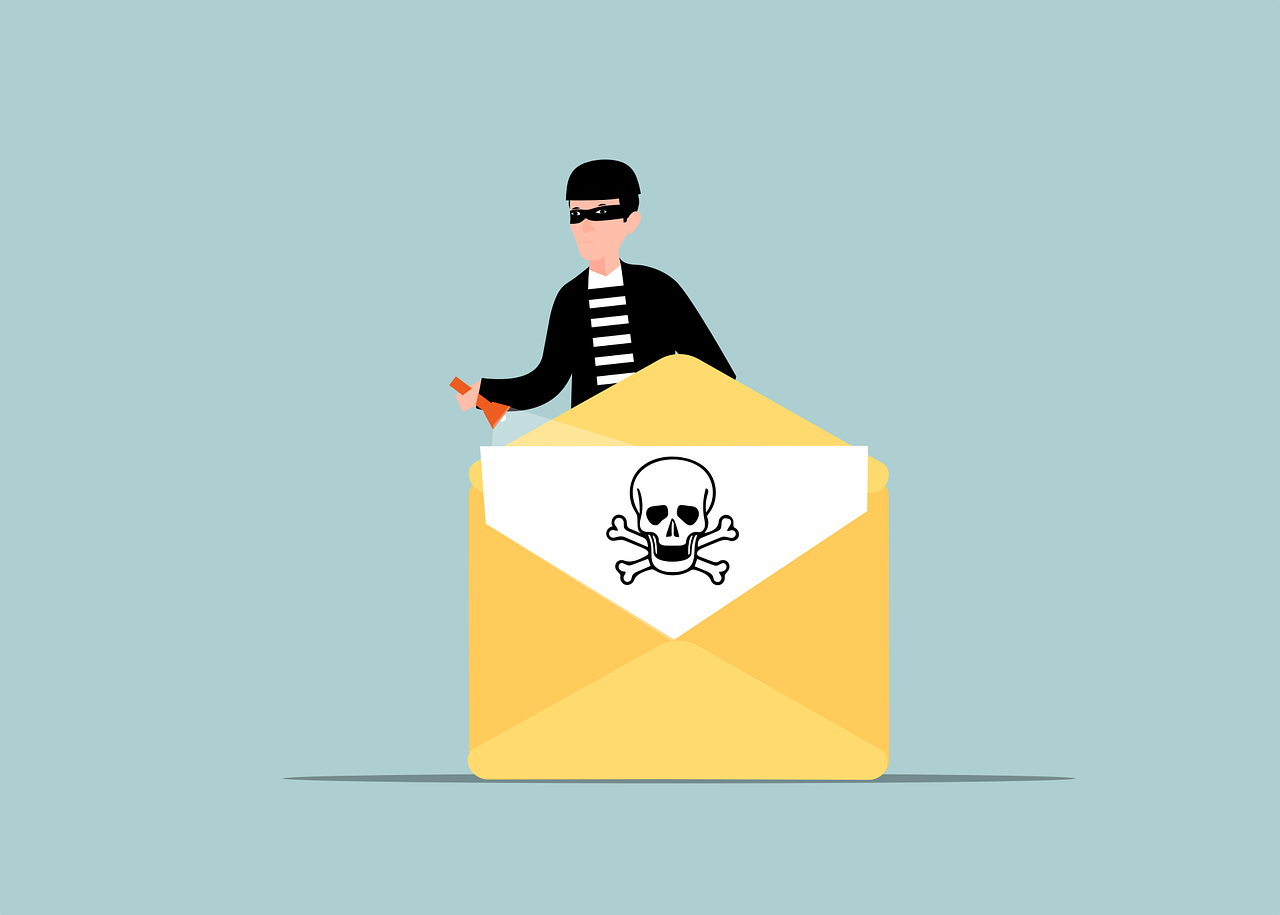 Cybersecurity
Types of cybercrime and how to protect yourself from each
Cybercrime is rapidly rising, posing major risks to individuals and organisations. This article explores common types of cybercrime—such as DDoS attacks, identity theft, malware, ransomware, phishing, and piracy—and outlines effective strategies for protection. It highlights key practices including using up-to-date security software, strong password hygiene, and employee education to mitigate these digital threats.
Read more Cybersecurity
What You Need to Know About Cybersecurity Law
Cybersecurity law regulates the protection of digital information from cyber threats like data breaches, cybercrime, and espionage. It includes directives on data privacy, breach notification, and compliance management, which help organisations safeguard their systems and information. These laws are essential in guiding businesses to manage risks, protect sensitive data, and comply with legal standards. Non-compliance can result in fines, reputational damage, and legal consequences. To mitigate these risks, organisations should implement best practices like regular audits, data encryption, employee training, and monitoring third-party vendors. RiskXchange offers a comprehensive platform that continuously monitors your organisation's cybersecurity posture, helping to prevent breaches and ensure compliance with relevant laws.
Read more Cybersecurity
Phishing emails & ways to prevent spear phishing
Spear phishing is a highly targeted form of phishing where attackers impersonate trusted contacts to steal confidential data or funds. Unlike broad phishing scams, spear phishing involves in-depth research and personalized tactics, making it harder to detect. These attacks are rising in frequency and sophistication, causing significant financial damage. Key protections include employee training, email scanning, relationship monitoring, malicious URL detection, multi-factor authentication (MFA), and sandboxed attachment analysis. RiskXchange offers advanced solutions to defend against spear phishing and boost cybersecurity resilience.
Read more Compliance
Continuous Vendor Security Monitoring: Closing the 364-Day Blind Spot
Continuous vendor security monitoring eliminates the “364-day blind spot” created by outdated annual assessments, replacing static questionnaires with real-time, AI-driven visibility. In a landscape where most breaches originate from third parties, organisations must adopt an outside-in approach, using automated intelligence, cybersecurity ratings, and tiered monitoring to detect and remediate risks instantly. This guide shows how to transform vendor risk management into a proactive, data-driven system that strengthens resilience and meets modern regulatory demands like DORA.
Read more